


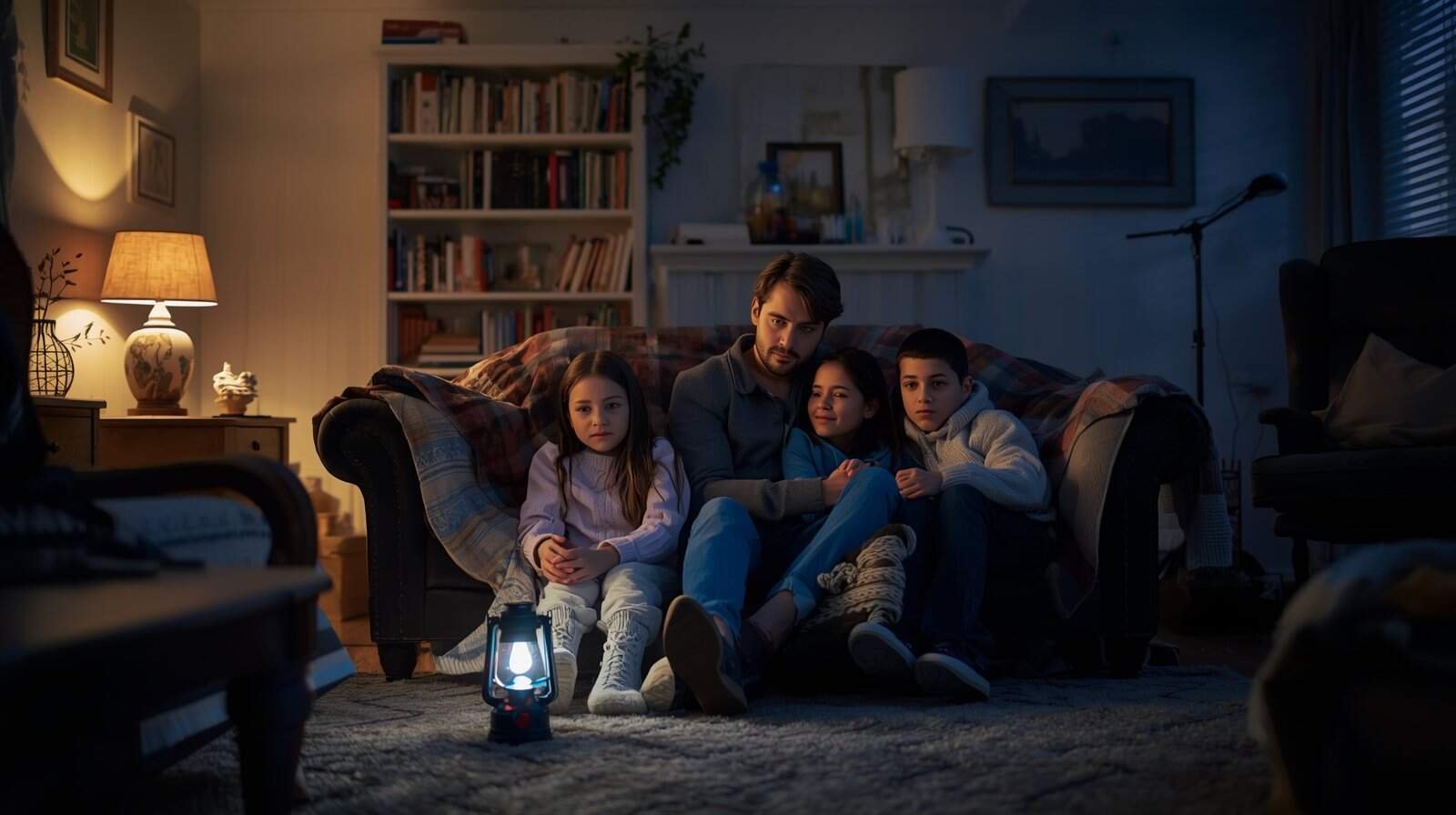
A multi-day power outage changes daily life quickly. Refrigerators stop cooling, heating systems shut down, water systems may lose pressure, and communication becomes more difficult. The goal during an extended outage is not convenience — it is stability and safety.
This guide walks through the major systems inside a home that become vulnerable during a prolonged outage and explains how to manage them safely. The focus is practical: reduce risk, conserve resources, and recognize when conditions move beyond what is safe to handle at home.
Heating and Indoor Temperature Management
In cold weather, indoor temperature becomes the most immediate safety concern. Homes lose heat gradually, but extended exposure to low indoor temperatures increases health risk — especially for children, older adults, and anyone with medical conditions.
Electric space heaters and combustion heaters introduce additional fire and carbon monoxide risk if used improperly. Always maintain safe clearance from flammable materials and never operate outdoor-rated heating devices indoors.
- Consolidate to one main living space
- Close doors to unused rooms
- Layer clothing and blankets before increasing heat sources
- Never use grills or gas ovens indoors
- Confirm carbon monoxide detectors are functioning
For a deeper look at CO-specific winter risks, see Carbon Monoxide During Power Outages: Hidden Sources, Risks, and How to Stay Safe.
Food Safety During Extended Outages
Food safety becomes a concern within hours of losing power. Refrigerators typically keep food cold for about four hours if unopened, while full freezers may maintain temperature for up to 48 hours. After that, bacterial growth risk increases rapidly.
Opening the refrigerator repeatedly shortens safe storage time. It is better to plan meals strategically and monitor food condition carefully than to rely on smell alone.
- Keep refrigerator and freezer doors closed
- Use a thermometer if available
- Discard perishable food above 40°F for extended periods
- Do not taste-test questionable food
Water and Sanitation Management
Homes on well systems may lose running water during outages. Even municipal systems can experience reduced pressure in extended events. Planning for limited water access reduces stress and prevents sanitation issues.
- Reserve drinking water first
- Limit toilet flushing to essential use
- Use hand sanitizer when water is scarce
- Avoid contaminating stored water supplies
Lighting and Communication
Battery-powered lighting is safer than candles. Candles introduce unnecessary fire risk during a time when emergency response resources may already be strained.
Conserving phone battery becomes essential during long outages. Reduce screen brightness, disable non-essential apps, and rotate charging when backup power is available.
When Conditions Become Unsafe
Not all outages can be safely managed at home. Indoor temperatures falling below safe thresholds, persistent carbon monoxide alarms, medical equipment dependency, or utility restoration uncertainty may require relocation.
Multi-day outages test preparation and awareness. By managing heat, food, water, lighting, and communication intentionally — and recognizing when to leave — households can reduce risk and remain safer during extended power disruptions.