


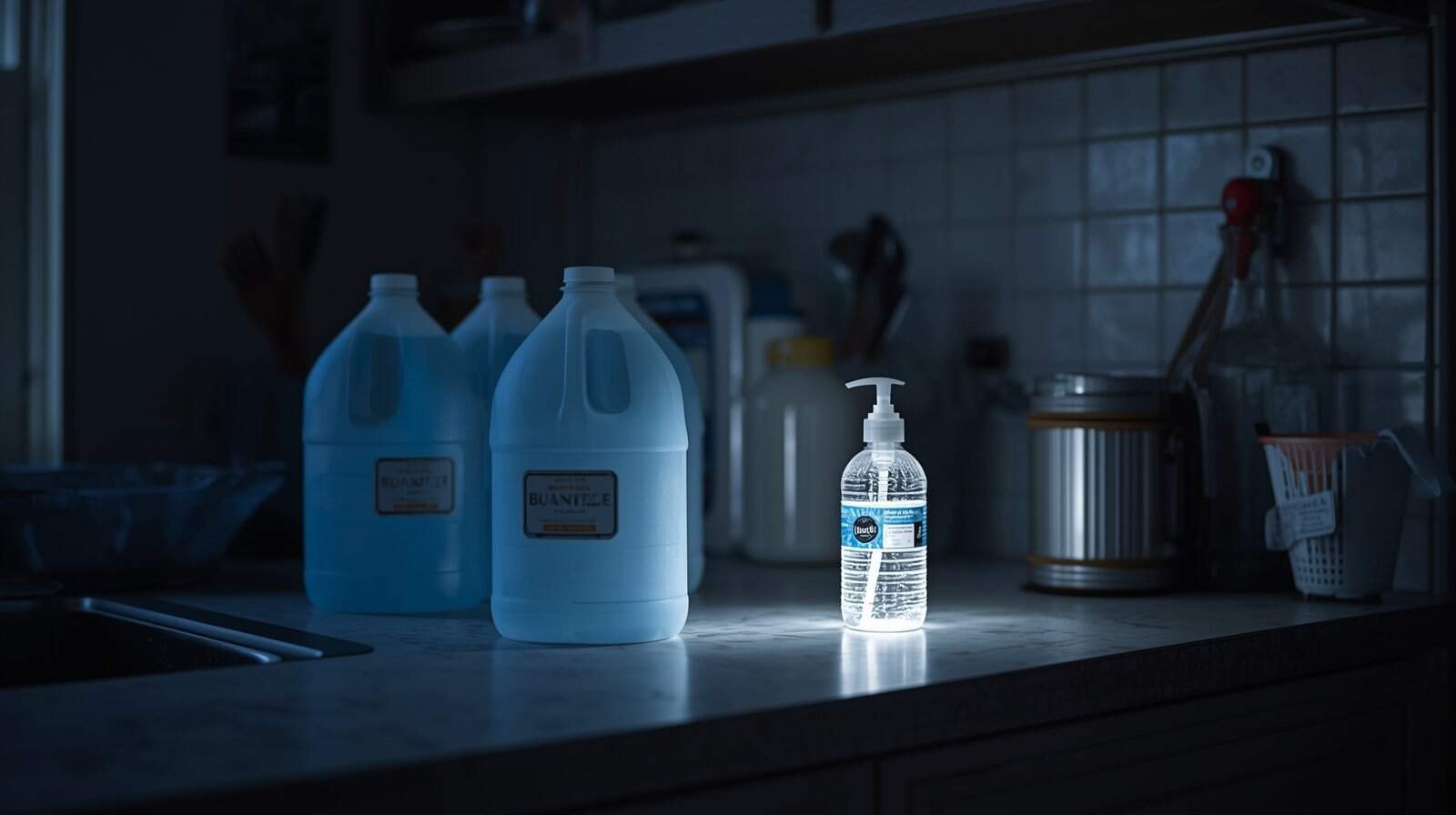
During a power outage, most people think about lights and heat first. Water often feels “fine” — until it isn’t. A prolonged outage can reduce municipal water pressure, stop well pumps completely, and limit hot water availability. Sanitation becomes harder at the exact moment you want to reduce illness risk.
This guide explains how to manage drinking water, toilets, and basic hygiene safely during outages without improvising risky solutions. If you want the full multi-day survival framework (heat, food, lighting, and escalation thresholds), start with How to Safely Live Through a Multi-Day Power Outage at Home.
Why Water Problems Happen During Power Outages
Water behavior during outages depends on how your home is supplied. Homes on a private well typically lose running water because the pump requires electricity. Municipal systems may continue delivering water for a time, but pressure can drop if pumping stations are affected or if demand surges.
Even when water continues to flow, you should expect variability. Pressure can become inconsistent, and in severe events boil-water advisories may be issued. Your goal is to plan for uncertainty rather than assume normal conditions.
Set Your Water Priorities: Drinking Comes First
When supply becomes limited, not all water uses are equal. Drinking and basic food preparation are the highest priority. Hand hygiene is next. Laundry, long showers, and other high-consumption uses should be treated as optional during prolonged events.
If you have stored water, assign it intentionally. A household that uses all stored water for washing dishes on day one may create a much bigger safety problem on day three.
- Priority 1: Drinking water
- Priority 2: Food preparation (minimal water methods)
- Priority 3: Hand hygiene and basic sanitation
- Lower priority: Dishwashing, bathing, laundry
Safe Drinking Water: Storage and “Unknown Source” Caution
If you are using stored water, keep containers sealed and out of direct sunlight. Avoid repeatedly opening large containers if you can separate “daily use” water from “reserve” water. If your water source becomes questionable or a local advisory is issued, treat it as a safety issue, not an inconvenience.
Do not assume that clear water is safe water. Contamination is not always visible. If you are uncertain about safety and cannot confirm guidance from local authorities, err on the side of caution and use bottled water for drinking when available.
Toilets and Sanitation: What to Do When Water Is Limited
Toilet flushing becomes a major stress point in outages, especially for larger households. If you have limited water, use it intentionally. Minimize flush frequency when safe to do so and avoid letting sanitation conditions deteriorate in living spaces.
If your home has running water but low pressure, flushing may still work intermittently. If your home has no running water, you may need to use reserve water for flushing. Avoid improvisations that create spill risk or expose household members to waste.
- Keep bathroom areas ventilated when possible.
- Keep cleaning wipes or disinfectant available for surfaces.
- Designate one bathroom if the home is cold and you’re consolidating rooms.
- Do not allow waste to accumulate in living spaces.
Hand Hygiene When Water Is Scarce
Hand hygiene becomes more important during outages, not less. Outages increase shared surfaces, reduce lighting, and disrupt normal routines. If water is limited, use hand sanitizer strategically, especially before food preparation and after bathroom use.
If you have a small amount of water available, prioritize handwashing at key times rather than using water for less important tasks. Even a basic “handwashing station” in the kitchen with minimal water can reduce risk significantly.
Food and Water Cross-Contamination: A Quiet Risk
When refrigeration is compromised, foodborne illness risk rises. At the same time, reduced sanitation makes contamination more likely. Be conservative with leftovers, keep raw foods separated, and clean cutting surfaces carefully. If you are operating with limited water, focus on avoiding high-risk foods rather than trying to wash and salvage everything.
For broader supply staging that includes water containers, sanitation items, and conservative meal planning, review Power Outage Supply Planning.
When Water and Sanitation Conditions Become Unsafe
Some outage conditions move beyond “manageable discomfort.” If safe drinking water is unavailable, if sanitation breaks down, or if illness symptoms appear, your household may need outside support. This is especially true when infants, older adults, or medically vulnerable people are present.
Build Water Resilience Into Your Preparedness Plan
Water is one of the easiest preparedness wins because small changes create big stability. Stored water, sanitation supplies, and a conservative plan for how you’ll use water reduces both stress and health risk in prolonged outages.
If you want a comprehensive readiness framework that ties water, food, heat, lighting, and escalation thresholds into a single plan, use Emergency Preparedness for Power Outages: A Practical Home Readiness Checklist. For a broader pre-outage foundation, Home Emergency Preparedness Basics helps you stage essentials before storms arrive.