


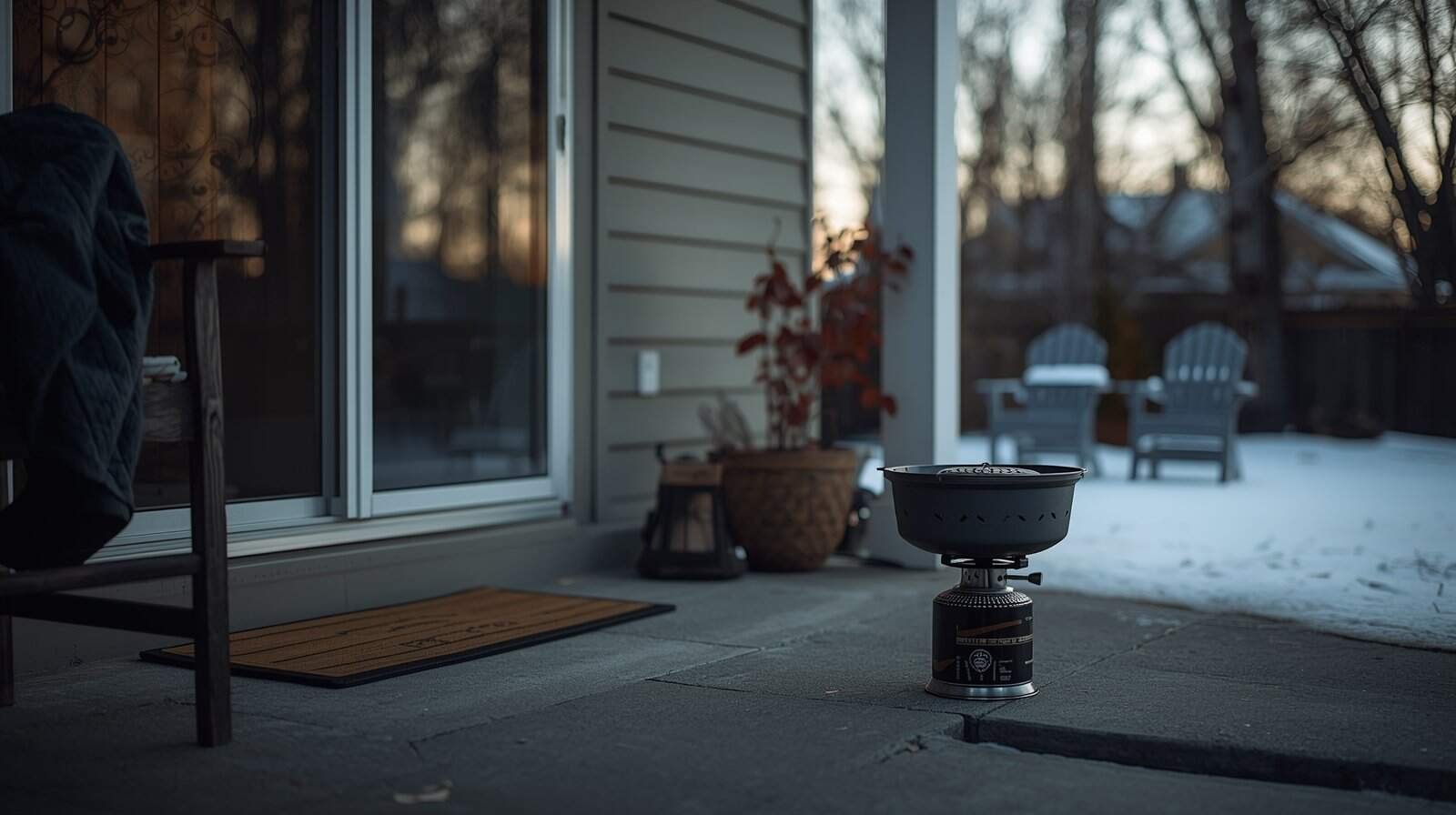
When power goes out for more than a few hours, cooking becomes one of the most tempting — and dangerous — improvisations. People move grills indoors, use camp stoves in kitchens, or rely on open flames without realizing how quickly fire and carbon monoxide risks escalate.
This guide explains how to cook safely during extended outages, what methods are appropriate, and which shortcuts can turn a manageable outage into a life-threatening emergency. For the broader survival framework, review How to Safely Live Through a Multi-Day Power Outage at Home.
The Safety Hierarchy of Cooking During Outages
Not all cooking methods carry equal risk. The safest options require the least flame, the least indoor combustion, and the least improvisation.
- Outdoor grills placed well away from structures
- Outdoor camping stoves used in open air
- Pre-prepared shelf-stable meals requiring no heating
- Boiling water outdoors on stable, ventilated surfaces
Indoor combustion cooking (charcoal, propane camp stoves, grills) dramatically increases carbon monoxide danger and should not be used inside enclosed spaces.
Carbon Monoxide: The Invisible Cooking Hazard
Grills, camp stoves, and fuel-burning appliances produce carbon monoxide (CO), a colorless, odorless gas that can cause confusion, unconsciousness, and death. During outages, people often underestimate how little ventilation is required for CO to accumulate indoors.
Never operate charcoal grills, propane camp stoves, or outdoor cooking equipment inside the home, garage, or near open windows. For a deeper explanation of why indoor combustion becomes dangerous quickly, see Cooking During Power Outages: Why Grills, Stoves, and Fireplaces Can Create CO Risk.
Fire Spread Risk in Cold Weather
During winter outages, households often consolidate into one room. Adding an open flame to a small space filled with blankets, clothing layers, and soft furniture increases ignition risk. Fatigue and darkness further reduce reaction time.
If you must cook outdoors in cold weather, keep cooking surfaces stable, clear of snow accumulation that could tip equipment, and positioned away from siding, decks, or overhangs.
Food Safety Crossover
Extended outages compromise refrigeration. Cooking questionable food does not automatically make it safe. If meat or dairy has been in the temperature danger zone for too long, heating it may not eliminate toxins produced by bacteria.
When water access is limited, sanitation becomes part of cooking safety. Use minimal water methods and review Water and Sanitation During Power Outages to avoid cross-contamination risks.
When Cooking Becomes the Wrong Priority
There are times when cooking should not be attempted at all. If indoor temperatures are dropping rapidly, if ventilation is uncertain, or if medically vulnerable individuals are present, minimizing fire and CO exposure may be more important than preparing a hot meal.
If household conditions are deteriorating overall — falling temperatures, water instability, medical risk — review When a Power Outage Becomes Unsafe: Clear Signs It’s Time to Leave before deciding to cook.
Build a Low-Risk Meal Strategy Before the Next Outage
The safest cooking plan is often the one that reduces cooking altogether. Keep shelf-stable foods, ready-to-eat meals, and manual can openers available. The fewer flames and fuel devices you rely on, the lower your overall risk.
Cooking during an outage is possible. Cooking safely requires discipline. Prioritize ventilation, avoid indoor combustion, respect fire spread risk, and be willing to skip hot meals if conditions make cooking unsafe.