


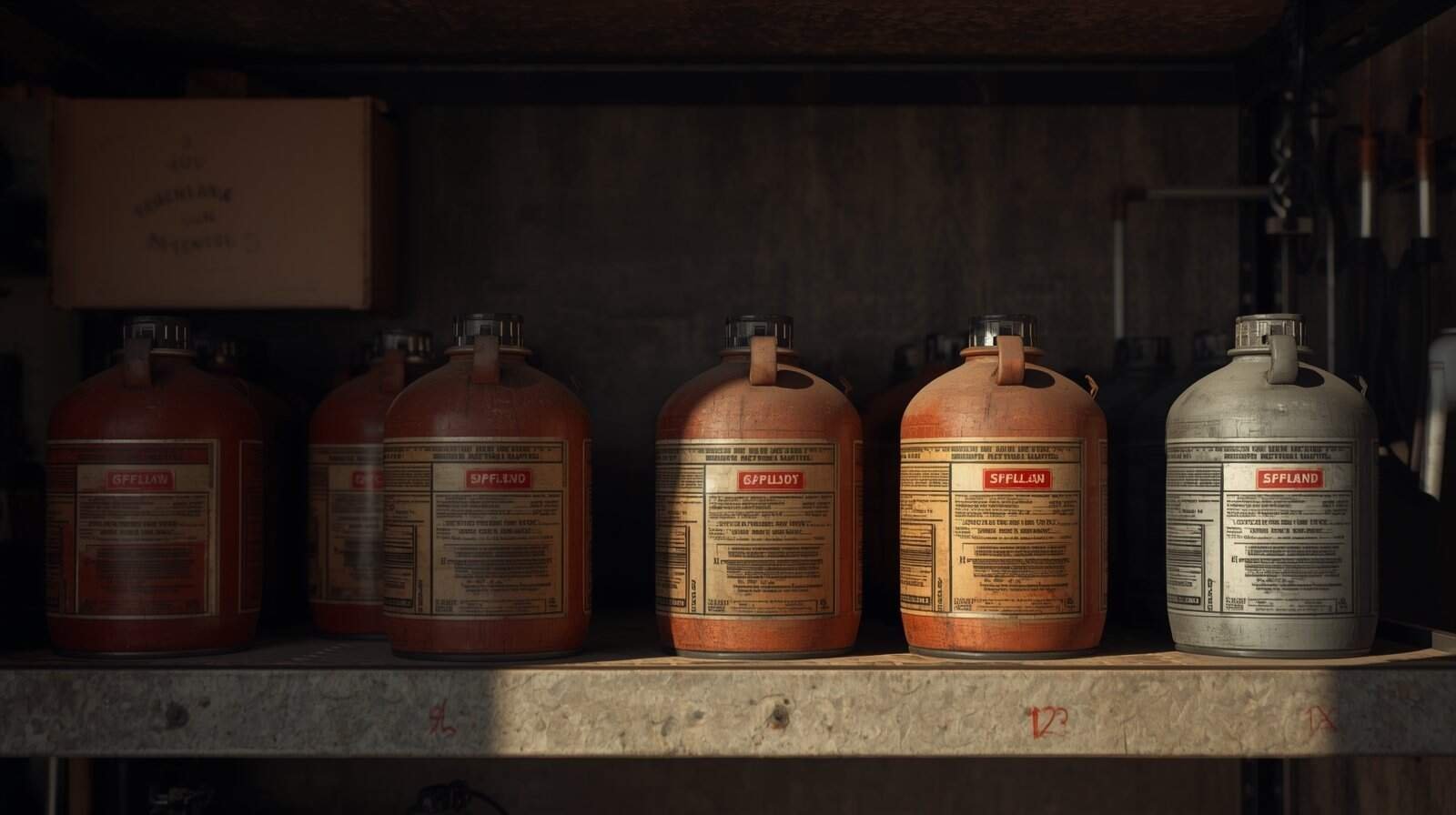
Fuel planning during a multi-day power outage is about more than “having enough.” It’s about having a realistic amount that you can store safely, access when roads are bad, and use without creating a new fire or fume hazard. In winter outages especially, fuel becomes both a resource and a risk.
This guide explains how to think about fuel quantity, what safe storage looks like, and the common mistakes that cause preventable emergencies. For the broader outage survival framework, start with How to Safely Live Through a Multi-Day Power Outage at Home.
Fuel Planning Starts With Use-Case, Not Guesswork
Households often overestimate how much fuel they need and underestimate how hard it is to store safely. The right approach is to start with your likely use-case. Are you planning to run a generator continuously, or only for short blocks to keep essentials stable? Are you relying on fuel for cooking, for heat, or for transportation?
Fuel planning works best when you assume conditions will be inconvenient. During winter storms, fuel stations may be closed, supply trucks delayed, and roads difficult. Plan for “no quick refill” rather than “I’ll top off tomorrow.”
- What do you need to power or run (essentials only)?
- How many hours per day will you actually operate equipment?
- What is your refuel access risk (roads, station closures, long lines)?
- Where will fuel be stored safely without indoor fumes?
The Most Important Rule: Never Store Fuel Indoors
Fuel stored indoors creates two hazards at once: fire risk and fume exposure. Gasoline vapors can travel and ignite. Propane storage mistakes can create explosive conditions. Even if you think a container is sealed, small leaks or pressure changes can release fumes into living spaces.
Fuel belongs in approved containers and in an appropriate storage area, not in basements, kitchens, utility rooms, or near ignition sources. If you want the core storage rules, review How to Store Generator Fuel Safely at Home.
Gasoline vs Propane: Different Risks, Same Discipline
Gasoline and propane behave differently, but both require conservative handling. Gasoline vapors can ignite easily and spread across floors. Propane is heavier than air and can accumulate in low areas if stored improperly. The key common rule is simple: store fuel where leakage does not become an indoor hazard.
For a clearer risk comparison, see Gasoline vs Propane Storage Risks: What Homeowners Should Know. The goal is not to become a fuel expert. The goal is to avoid the few mistakes that cause most household fuel incidents.
Safe Storage Principles for Outage Fuel
Safe fuel storage is boring on purpose. It relies on separation, ventilation, and stable placement. Keep containers away from heaters, pilot lights, grills, and any area where sparks could occur. Keep them protected from direct sunlight and temperature extremes that increase pressure inside containers.
Also consider access. In winter, storing fuel behind snow-covered doors or in a place that requires unsafe movement increases accident risk. A “safe location” should also be a practical location.
- Approved containers only
- Stored outside living spaces (never indoors)
- Away from ignition sources and heat
- Stable placement (no tipping risk)
- Ventilated area, protected from direct sun
Rotation and “Use It Before It Becomes a Problem”
Fuel planning isn’t just quantity — it’s quality over time. Storing fuel and forgetting it is how people end up with degraded fuel at the exact moment they need it. Keep a simple rotation habit so stored fuel is refreshed periodically.
The most practical approach is to treat stored fuel as part of a cycle, not a permanent stockpile. If you cannot maintain rotation discipline, reduce stored amounts and rely more on alternative preparedness strategies.
When Fuel Storage Becomes Unsafe: Clear Escalation Signs
Fuel incidents often begin with a small warning: a persistent smell, a damp spot near a container, a container that bulges or appears damaged, or a storage area that becomes warmer than expected. These are not “wait and see” signals.
- You smell strong fuel fumes inside the home
- A container leaks or appears damaged
- Fuel has been stored near a heat source or flame
- You are tempted to bring fuel indoors “just for tonight”
Integrate Fuel Into Your Full Outage Supply Plan
Fuel is only one part of outage resilience. A household with fuel but no lighting, no water plan, and no communication plan remains vulnerable. Integrate fuel planning into your full supply staging using Power Outage Supply Planning, and keep your fuel amounts realistic for what you can store safely.
Multi-day outages reward conservative planning. If your fuel plan increases fire or fume risk, it’s not resilience — it’s exposure. The safest fuel plan is the one you can maintain calmly, safely, and consistently before the next storm hits.