


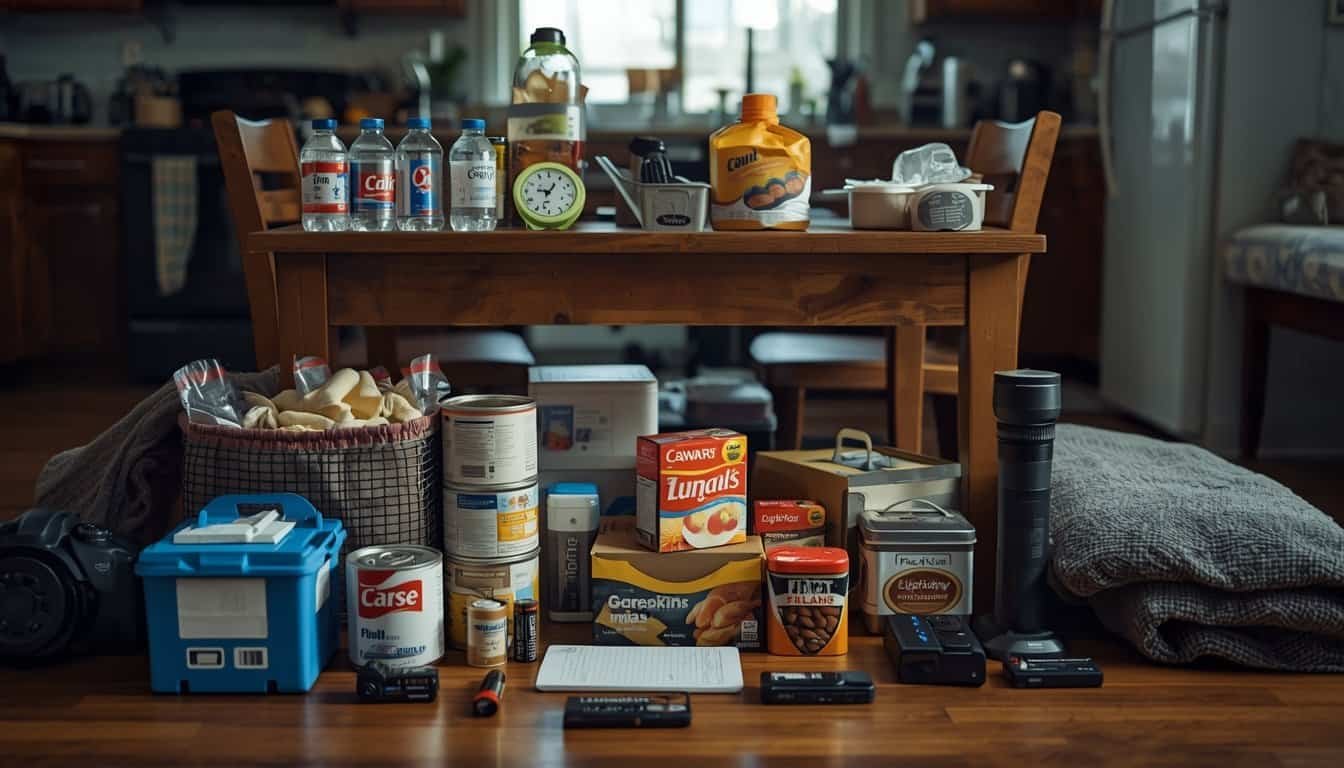
A seven-day power outage feels very different from a short blackout. The first day is usually about reaction, the second and third days are about adjustment, and by the end of a full week most households are dealing with a very different set of problems than they expected on day one. Food decisions become more important, water use becomes more deliberate, charging becomes a constant concern, and comfort starts affecting mood, sleep, and judgment in ways that can make the whole home feel harder to manage.
A good 7-day power outage plan is not about turning your house into an off-grid system overnight. It is about giving the household a realistic rhythm for the week ahead. That means knowing what to use first, what to conserve, how to simplify meals and routines, how to think about heat or cold, and how to keep communication clear without burning through limited resources too quickly.
A week-long outage plan should reduce decision fatigue. It should help the household move from short-term reaction into a steadier routine for food, water, charging, comfort, and communication so each day does not feel improvised from scratch.
Why a Week-Long Outage Changes Household Priorities
Most people imagine outages in terms of the first few hours, when the lights go out and everyone starts checking phones, flashlights, and utility updates. A full week changes the situation. By that point, the household is not just coping with darkness or uncertainty. It is coping with accumulated fatigue, supply management, disrupted sleep, changing temperatures, and the frustration of trying to maintain normal life without normal tools.
That is why a seven-day plan has to go beyond a simple emergency kit. The household needs a way to pace itself. Food choices that seem fine on day one may become harder by day four. Water use that feels generous at first may need more structure later. Device charging, room use, and communication routines all start to matter more as the outage stretches on.
Longer outages also reveal weak spots in the home routine. People may overuse backup power early, waste supplies on convenience instead of necessity, or fail to adapt their expectations quickly enough. A written or at least clearly understood weekly plan helps the household shift out of reactive mode before that happens.
Start With the First 72 Hours, Then Build Outward
A week-long outage plan is much easier to manage if the first three days are already organized. That is why households should treat a practical 72-hour emergency kit for power outages as the foundation, not the whole plan. The first three days need quick-access supplies, but days four through seven need a broader routine for replenishment, rationing, adaptation, and realistic household expectations.
The transition matters. On day one, many people still hope the power will be back soon. By day three, the household should already be asking different questions: What food remains most useful? What is running low? Which rooms are still workable? Who in the home is handling the conditions well, and who is struggling? A good week-long plan builds in that shift instead of treating every day as if it is still the beginning.
It also helps to tie your seven-day thinking to a clear early-response sequence. That is where a power outage checklist for the first 15 minutes, first 4 hours, and first 24 hours is useful, because the household still needs that short-term structure before it can move into a longer and steadier outage rhythm.
Food Planning Should Get Simpler as the Outage Gets Longer
A week-long outage is not the time for complicated meal expectations. The longer the disruption lasts, the more helpful it is to simplify. Households do better when they plan meals around ease, familiarity, and low cleanup rather than trying to preserve every usual food habit. This often means using perishable items first when safe to do so, then shifting quickly into shelf-stable foods that require less refrigeration, less cooking heat, and less decision-making.
What matters most is consistency, not creativity. A food plan for a seven-day outage should reduce stress, not add to it. That means knowing what can be eaten easily, what requires minimal preparation, and what makes sense for children, older adults, and anyone with dietary limits or medical needs. The more realistic the menu is, the more likely the household is to stick with it calmly.
It also helps to think in terms of pacing. If the household uses all the easiest foods too early, the back half of the week may feel much harder than it needs to. A better approach is to make the whole week workable rather than making the first two days feel as normal as possible.
Water Needs Structure, Not Guesswork
Water becomes more important as the outage continues because it affects drinking, food preparation, hygiene, comfort, and in some homes even pet care or limited cleaning. People often assume they will “just use what they need,” but long outages usually work better when the household has at least a loose plan for what is available and how fast it is being used.
A practical emergency baseline is 1 gallon of water per person per day for drinking and basic sanitation. For very warm conditions, planning for 2 gallons per person per day gives the household more margin. Illness, pregnancy, nursing, pets, medical needs, caregiving routines, and longer outages can push the requirement higher.
Use the Emergency Water Storage Calculator to turn household size and outage duration into a realistic seven-day storage target. The calculator can also account for very warm conditions, pets, and an added reserve so you are not planning to the exact minimum.
Do not wait until day four to discover the household is using water faster than expected. Track drinking-water reserves from the start, keep non-drinking water separate for flushing or cleaning, and build in margin for heat, spills, pet needs, or a water advisory.
Cooling, Room Use, and Comfort Matter More After Day Two
Many households can tolerate some discomfort on the first day of an outage because the disruption still feels temporary. By the middle of a week-long event, comfort problems start affecting the whole household more deeply. Heat, humidity, poor sleep, stale rooms, or general physical strain can make people irritable, tired, and less able to make good decisions. That is why room selection, airflow strategy, and comfort routines matter much more than people often realize.
In hot-weather outages, the household should quickly identify the coolest workable spaces, reduce unnecessary heat gain, and keep routines smaller than normal. If your home is vulnerable to summer conditions, pair this article with heat wave power outage planning so your seven-day plan includes a more deliberate strategy for shade, hydration, room choice, and heat-risk reassessment as the days pass.
Even outside of heat waves, comfort deserves planning. Blankets, light layers, simple washing routines, easier sleeping arrangements, and realistic expectations for shared spaces all help preserve patience and function over a longer outage. A home that feels physically manageable is much easier to keep emotionally steady too.
Do not spend the first days of a long outage using supplies and power as if normal life will resume in a few hours. Week-long outages reward pacing. If you burn through the easiest food, cooling options, battery power, or patience too quickly, the second half of the week becomes harder and less safe.
Communication Gets More Important as People Get More Tired
During a longer outage, good communication is not only about getting updates. It is also about keeping the household coordinated. People need to know what the plan is, what is changing, what supplies are being conserved, and what expectations apply for the day ahead. Without that clarity, families start making separate decisions that can waste time, energy, and limited resources.
This is one reason longer outages benefit from a very simple family communication structure. Everyone should know where information is coming from, when battery use needs to be limited, and how the household will check in if someone leaves or if local conditions worsen. For many homes, this works best when it builds directly on severe weather alerts and family communication plans instead of being invented halfway through a stressful week.
The goal is not constant discussion. The goal is enough communication that the household stays aligned. In long outages, that often means short, repeated routines rather than long conversations every time something changes.
Use a Smaller Daily Rhythm Instead of Trying to Preserve Normal Life
A successful seven-day outage plan usually looks simpler than normal life. Meals are simpler. Charging is more intentional. Movement through the house is more deliberate. Cleaning is more basic. Entertainment is less dependent on screens. A smaller rhythm is not a sign that the household is failing. It is often the reason the household is coping well.
This matters because long outages wear people down mentally as much as physically. Decision fatigue builds. Small frustrations start feeling larger. The more the household can rely on a repeatable daily structure, the less energy gets wasted on arguments, unnecessary choices, or avoidable surprises. Stability is part of preparedness.
That daily structure should also include reassessment. What worked yesterday may not work on day five. A good plan stays simple, but it is not rigid. It keeps the household aware of changing conditions, changing energy levels, and any sign that a more supportive location or different strategy may be needed.
A Good Seven-Day Outage Plan Helps the Household Think Clearly for Longer
The real value of a 7-day power outage plan is not only the supplies it points to. It is the calmer mindset it creates. When the household knows how to pace food, water, cooling, charging, and communication, each day becomes more manageable. That does not make the outage easy, but it does make it less chaotic.
Use the Emergency Water Storage Calculator before storm season to make sure your seven-day water plan is realistic, then build the rest of the week around simple meals, deliberate charging, workable room choices, and clear communication. You do not need a perfect setup to make a week-long outage more survivable and less stressful. You need a realistic plan that reflects how your household actually lives, what it can do without, and what it has to protect first.