


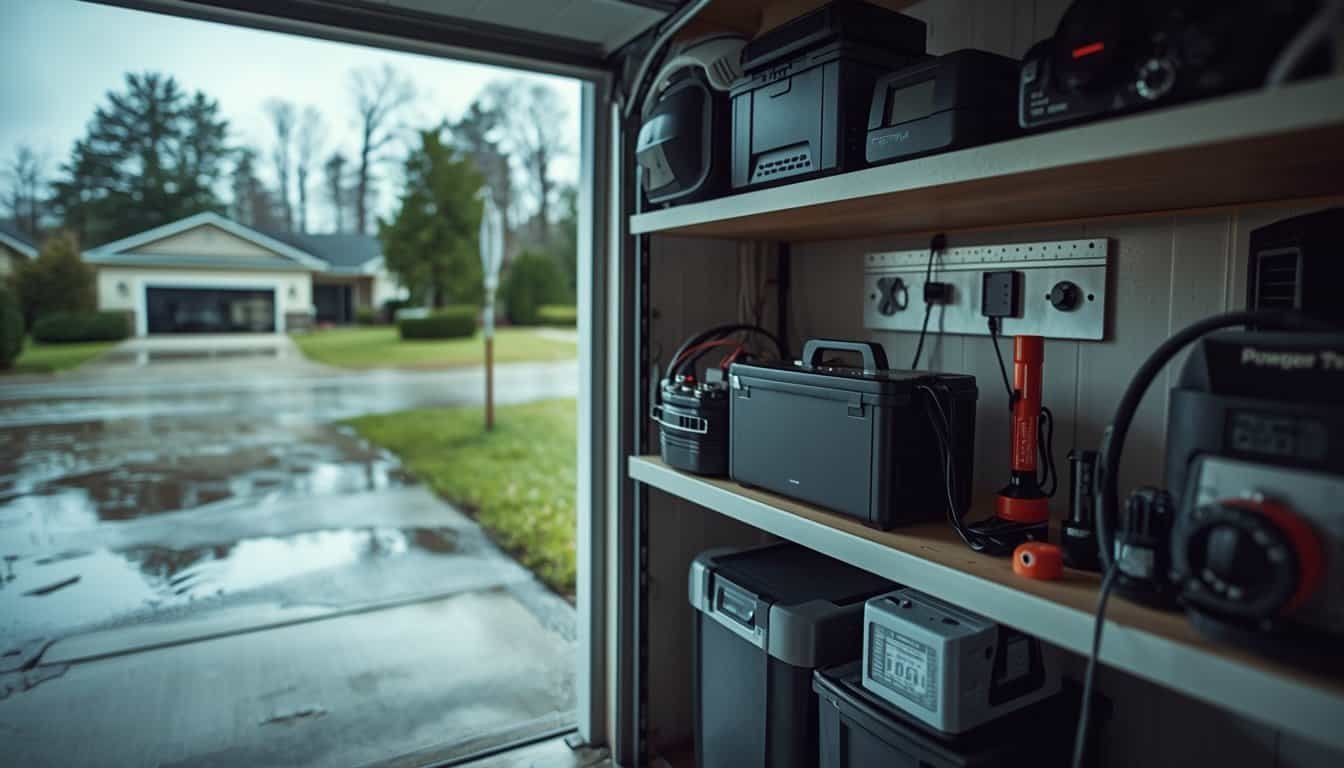
Flood preparation is often treated like a water problem only, but for homeowners it is also an electricity problem, an appliance problem, and a household safety problem. Even shallow water can create dangerous conditions when it reaches outlets, extension cords, power strips, appliances, utility areas, or backup equipment stored too low. By the time water is already entering the home, many of the safest preparation steps are no longer practical to do.
That is why flood preparedness works best when it starts before the first serious rise in water. Homeowners do not need to predict every possible outcome. They need to reduce avoidable risk, protect the most important household equipment, and make sure their decisions around power and electricity stay conservative if flooding becomes more than a minor nuisance.
Many flood-related injuries and losses are not caused by fast-moving water alone. They happen because water reaches energized equipment, wet areas are treated like normal spaces, or homeowners try to preserve comfort before they have fully accounted for electrical risk.
Why flooding creates a different kind of household risk
Homes can handle many storm inconveniences with planning, but flood risk changes the decision-making process. Water can spread unpredictably, affect lower parts of a home first, and turn everyday electrical items into hazards without much warning. A room that feels mostly usable may still contain unsafe outlets, damp extension cords, or appliances that should not be treated as normal just because they still look intact.
Flooding also compresses time. In some events, homeowners have time to move supplies and prepare carefully. In others, heavy rain, poor drainage, storm surge, or nearby runoff create a situation that worsens quickly. That is why early action matters so much. The safest flood preparation steps are usually the ones you finish while access is easy and the environment is still dry enough to move through calmly.
This kind of preparation is especially important in homes with basements, garages, utility rooms, lower-level storage, sump pump dependence, or backup devices kept near the floor. These areas often contain exactly the kinds of cords, outlets, chargers, and appliances that become high-risk once water begins to collect.
What to do before water starts rising near the home
The first goal is to identify what matters most if part of the home becomes wet or inaccessible. That usually includes medications, chargers, flashlights, documents, communication devices, backup power equipment, and small appliances or electronics that can be moved easily. If flooding is a realistic possibility, do not wait until you see water indoors to decide what should be relocated.
Move essential items higher before the situation feels urgent. Shelving, upper closets, counters, and other dry, elevated storage areas are usually safer choices than leaving things in garages, basements, or floor-level bins. A broader storm-readiness mindset also helps here, especially in coastal or multi-day weather events, which is why households in those regions should review hurricane power outage preparation as part of a larger planning routine.
At the same time, check the practical basics. Charge phones and battery banks early, confirm flashlight access, and make sure the household has a simple supply base ready if normal movement through the home becomes limited. If you are still building those essentials, this 72-hour emergency kit for power outages is a useful starting point because it covers lighting, batteries, chargers, and other items that matter in both outage and flood conditions.
Move electronics and small equipment before it feels necessary
One of the easiest mistakes is waiting too long because the floor still looks mostly dry. Electronics, small kitchen appliances, battery devices, chargers, and cords that sit low are easier to move early than during a stressful water event. Even if flooding ultimately stays minor, moving them ahead of time is usually a low-cost precaution.
This also applies to backup power equipment. Portable batteries, charging gear, extension cords, and related accessories should not remain in areas that are first in line for water exposure. The point is not to create a complicated relocation project. It is to remove the obvious vulnerabilities before conditions become rushed or unsafe.
How to think about household electricity when flooding is possible
Flood preparation is not the time for electrical improvisation. When water and electricity might overlap, the safest mindset is conservative. Do not assume you will be able to keep using lower-level outlets, move powered equipment around wet spaces, or make last-minute decisions once conditions are deteriorating. If part of the home becomes wet, the electrical question is no longer just whether something turns on. It is whether the environment is still safe to use at all.
For many households, this means planning ahead for what you can do without. The more you reduce dependence on vulnerable areas of the home, the less pressure you will feel to use questionable outlets, drag cords across damp surfaces, or keep appliances running in areas that may no longer be safe. That kind of restraint protects both people and property.
It also helps to think through the first phases of a storm-related outage in advance. If flood conditions and power loss happen together, households benefit from a structured response rather than a panicked one. This power outage checklist for the first 15 minutes, first 4 hours, and first 24 hours can help you shift from immediate storm reaction to a more orderly safety and stabilization routine.
Do not enter wet areas to unplug equipment, move powered devices, or keep using outlets once flooding is underway and electrical safety is uncertain. Water changes the risk level quickly. If you are not fully confident the area is dry and safe, stop and treat it as a professional-assessment situation.
Protect appliances by protecting your decisions first
When homeowners think about flood preparation, they often focus on saving specific appliances. That is understandable, but good decisions matter more than trying to rescue everything. In many cases, the safest protection is simply moving portable items early, avoiding risky use as conditions worsen, and accepting that some convenience needs to stop before the home becomes unsafe to work in.
Refrigerators, freezers, laundry equipment, dehumidifiers, chargers, and utility-room appliances all deserve a little advance thought. Some can be kept useful safely if their environment stays dry. Others become a problem once water approaches, especially if cords or outlets are low. The closer an appliance is to potential flood exposure, the less wise it is to assume it can be treated as normal throughout the event.
That same principle applies to anything plugged in near the floor. Power strips, extension cords, and low-wall connections are often forgotten until conditions are already changing. Flood preparation is strongest when it removes those easy-to-overlook risks before people are forced to make decisions under pressure.
What to do after water exposure but before using the home normally again
Once water has entered a space, the main priority is not getting back to normal quickly. It is preventing a second problem by misjudging the first one. Wet rooms, outlets, appliances, and utility areas should not be treated as ordinary just because the visible water is receding. Electrical exposure can leave behind risk that is not obvious from a quick glance.
That is why homeowners should separate flood preparation from flood recovery. Preparation happens before the water arrives. Recovery requires slower assessment and much tighter caution around electricity, damaged equipment, and any area that may have been exposed. If the home has already taken on water, the next-step guidance belongs in your dedicated article on water damage and electricity after a storm, which is where readers should go before attempting to use affected electrical areas normally again.
In practical terms, the safest approach is to pause, evaluate the extent of water exposure honestly, and avoid treating lower-level electrical areas as routine until you are sure they are safe. Flood recovery is a place for patience, not assumptions.
Keep the household routine smaller until conditions are stable
After a flood event or near-flood event, families often feel pressure to restore comfort quickly. That can lead to risky use of appliances, unnecessary movement into damp areas, or overconfidence about what is still safe. A smaller routine is usually better for the first stage of recovery.
Use only what you truly need, keep everyone informed about which parts of the home are off-limits or uncertain, and resist the urge to test every device immediately. A controlled routine buys time for better judgment and reduces the chance that one bad assumption turns a water problem into an electrical emergency.
Good flood preparedness is mostly about acting early and staying conservative
Homeowners do not need an advanced flood plan to make meaningful safety improvements. They need to move essential items higher, reduce dependence on vulnerable spaces, protect communication and lighting tools, and think more carefully about electricity before water becomes part of the situation. The earlier those steps are taken, the more useful they become.
Flooding creates stress because it changes the home environment quickly. A calmer, more conservative plan helps homeowners respond without taking avoidable risks around power, appliances, and wet spaces. In many cases, protecting the household starts with being willing to stop normal electrical behavior sooner than you otherwise might.