


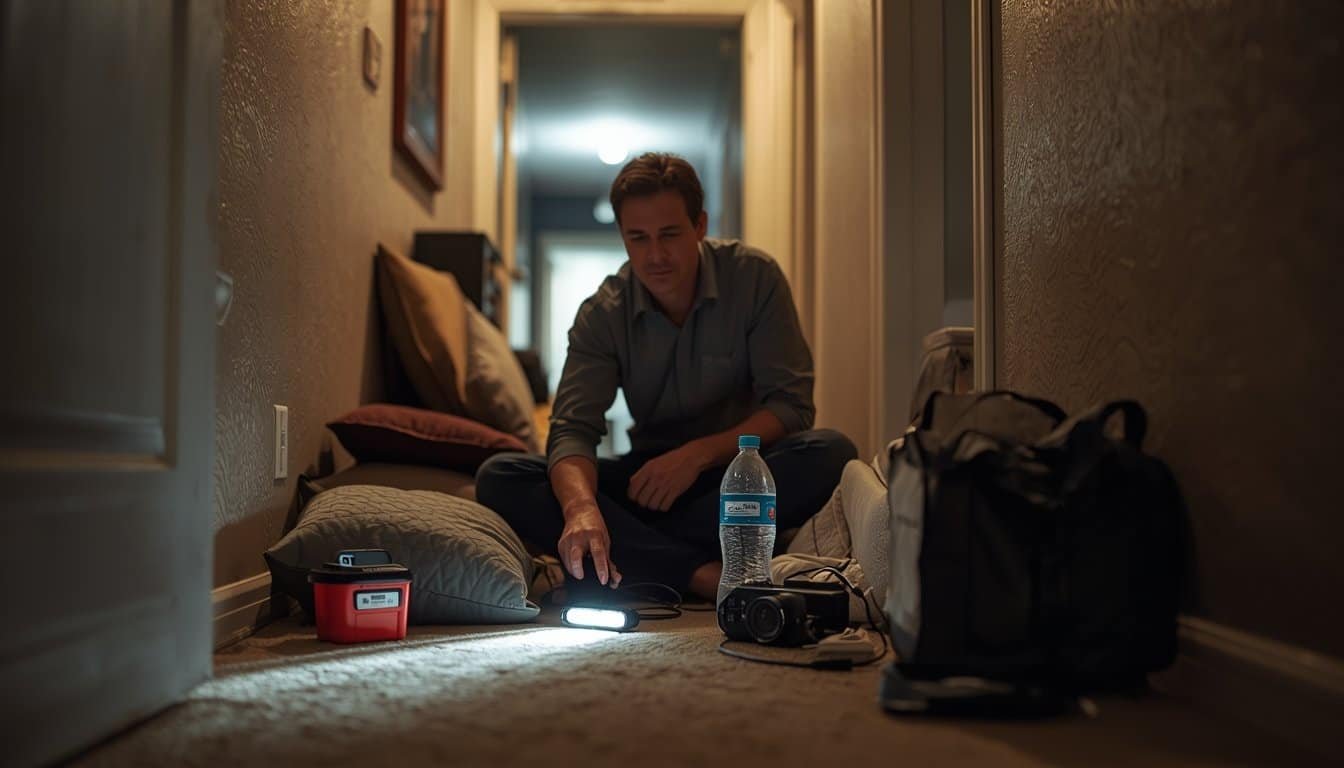
Tornado preparation is different from many other storm plans because the timeline is often much shorter. In some cases, homeowners may only have a brief window between the first serious warning and the moment they need to shelter. That means the best tornado plan is one that is simple, repeatable, and already set up before severe weather moves into the area.
For most households, tornado preparedness comes down to three practical questions. Where will you go if a warning is issued? What essentials should already be in that space? And how will you handle a sudden power outage if the storm hits hard enough to disrupt electricity, communications, or access to the rest of the home? When those three questions are answered ahead of time, people are much less likely to lose valuable minutes during a fast-moving weather event. Households in broader storm-prone regions may also benefit from reviewing hurricane power outage preparation, since some backup-power and outage-planning principles overlap even though tornado warnings usually develop much faster.
Unlike slower-moving storm systems, tornado threats can escalate quickly. A good tornado plan is not built around a long checklist done in the moment. It is built around a pre-chosen shelter space, a small set of ready supplies, and a household routine everyone already understands.
Start with the safest shelter space in your home
The most important tornado decision is shelter location. In general, the safest space is the lowest level of the home, in an interior room, away from windows and exterior walls. For many households, that may be a basement area, a small interior room, a bathroom, a hallway, or a closet, depending on the layout of the home.
The best choice is not always the most comfortable space. It is the space that reduces exposure to glass, flying debris, and exterior wall failure. That is why homeowners should decide in advance where they would go instead of trying to debate room options in the middle of a warning, when time and attention are already limited.
If your household includes children, older adults, pets, or anyone with mobility limitations, the shelter plan should also be realistic to execute quickly. A room that seems ideal on paper is less useful if one member of the household cannot get there fast enough or if needed items are stored too far away to reach under pressure.
Build a tornado shelter setup you can use quickly
Once you choose the safest room or area, the next step is to make that space practical. Tornado readiness is not only about having supplies somewhere in the house. It is about having the right supplies close enough to the shelter area that they can be used without running from room to room while the threat is unfolding.
A basic setup usually includes flashlights, extra batteries, a charged phone or battery bank, water, shoes, a whistle, basic first-aid items, and anything your household would need for several hours if part of the home became inaccessible. This is also a good place to keep a compact version of your broader outage kit. If you have not built one yet, use this 72-hour emergency kit for power outages as the starting point, then adapt it so the most important items are easy to move or already staged in your shelter area.
Comfort items matter more than they sometimes get credit for. Cushions, blankets, bike helmets if appropriate for your household plan, and a small tote for medications or pet essentials can make sheltering more manageable. The goal is not to turn the space into a permanent bunker. The goal is to reduce scrambling when conditions change quickly.
Keep the setup small enough to maintain
One reason tornado supplies get neglected is that people overbuild the plan and stop maintaining it. A smaller, realistic shelter setup is often better than a large, complicated one that becomes disorganized over time. If the space stays simple, it is much easier to keep flashlights charged, batteries rotated, and critical items in the right place.
That same principle helps with household communication. Everyone in the home should know where to go, what to grab if time allows, and what not to waste time on. Tornado warnings are not the time to search for extension cords, gather random electronics, or make last-minute decisions about where to shelter.
Plan for the power outage that may come with the storm
Many tornado events are not just wind events. They are also sudden outage events. Even if your home avoids major structural damage, nearby infrastructure can still be affected by fallen trees, damaged lines, or broader severe weather impacts. That is why tornado preparedness should always include a power-loss plan, not just a shelter plan.
The immediate issue is lighting and communication. If the power fails at the same time the weather threat is unfolding, you need light sources that are easy to reach and devices that are already charged. Keep battery banks topped off during severe weather days, and avoid assuming that wall power will still be available once a warning becomes serious.
The short-term issue is what happens after the shelter period ends. You may come out of the safe room into a dark house, a neighborhood outage, blocked roads, or internet disruptions. A practical recovery mindset helps here, which is why it is useful to pair tornado planning with a broader power outage checklist for the first 15 minutes, first 4 hours, and first 24 hours after electricity fails or returns.
If severe weather is already active, do not go outside to reposition equipment, set up generators, or troubleshoot electrical problems. Tornado conditions can change too quickly for that to be a safe use of your time. Shelter first, then assess conditions only when the immediate danger has passed.
What homeowners should do when a warning is issued
When a tornado warning is issued for your area, the best plan is usually the one that asks the least of you in the moment. Move to your shelter location, bring the closest essentials if they are immediately available, and focus on getting everyone into the safest space without delay. This is not the time to do one more chore, collect extra household items, or wait for more visual confirmation if official instructions say to take shelter now.
Inside the shelter area, keep things simple. Protect your head and neck as appropriate for your family plan, keep pets controlled if possible, and use your weather or communication tools without getting distracted by constant unnecessary movement. The value of preparation is that it reduces the number of decisions you have to make once time matters most.
Households also benefit from one clear communication habit during warnings. Decide in advance who gives the final “move now” instruction inside the home. That avoids confusion, repeated debate, or a dangerous delay because everyone assumes someone else is still checking the forecast.
What to do after the immediate tornado threat passes
Once the warning has passed or local officials indicate the immediate threat has moved on, the situation may still be hazardous. Tornado damage can leave broken glass, exposed nails, unstable debris, damaged trees, downed power lines, and parts of the home that are unsafe to use. The transition from sheltering to assessment should be deliberate, not rushed.
Start by checking on people, pets, and any urgent medical needs. Then assess the house cautiously and only as far as conditions allow. If you notice structural damage, electrical hazards, the smell of gas, or standing water near energized areas, stop and treat that as a professional-response issue rather than a homeowner troubleshooting project.
Even in lighter-impact situations, the power may remain out after the tornado risk has ended. Homes that rely on backup equipment should still use it with discipline, especially if the event turns into a longer outage. If your household uses generator support later in the recovery period, keep safety priorities high by reviewing generator operation safety during multi-day power outages before trying to power too much too quickly.
Expect emotional overload and decision fatigue
Severe weather events can leave people rattled even when the home is largely intact. Children may be frightened, adults may feel pressure to inspect everything immediately, and it can be tempting to move too fast just because the warning is over. A steadier approach usually leads to better decisions.
Use a short sequence instead: confirm safety, confirm basic lighting and communication, check for obvious hazards, and then make the next decision. That kind of controlled response protects the household from turning a stressful storm event into a preventable post-storm mistake.
Good tornado preparedness is built before the weather turns dangerous
Homeowners do not need a perfect setup to be meaningfully more prepared for tornado season. They need a known shelter space, a compact group of essentials, charged devices, and a household routine that does not depend on thinking clearly under pressure. The simpler the plan is to remember and use, the more likely it is to help when seconds matter.
Tornado readiness also works best when it connects to broader outage readiness. A storm warning may last minutes, but the effects on power, communication, and household routine can last much longer. When your shelter plan and outage plan support each other, you are in a much stronger position before, during, and after the storm.