


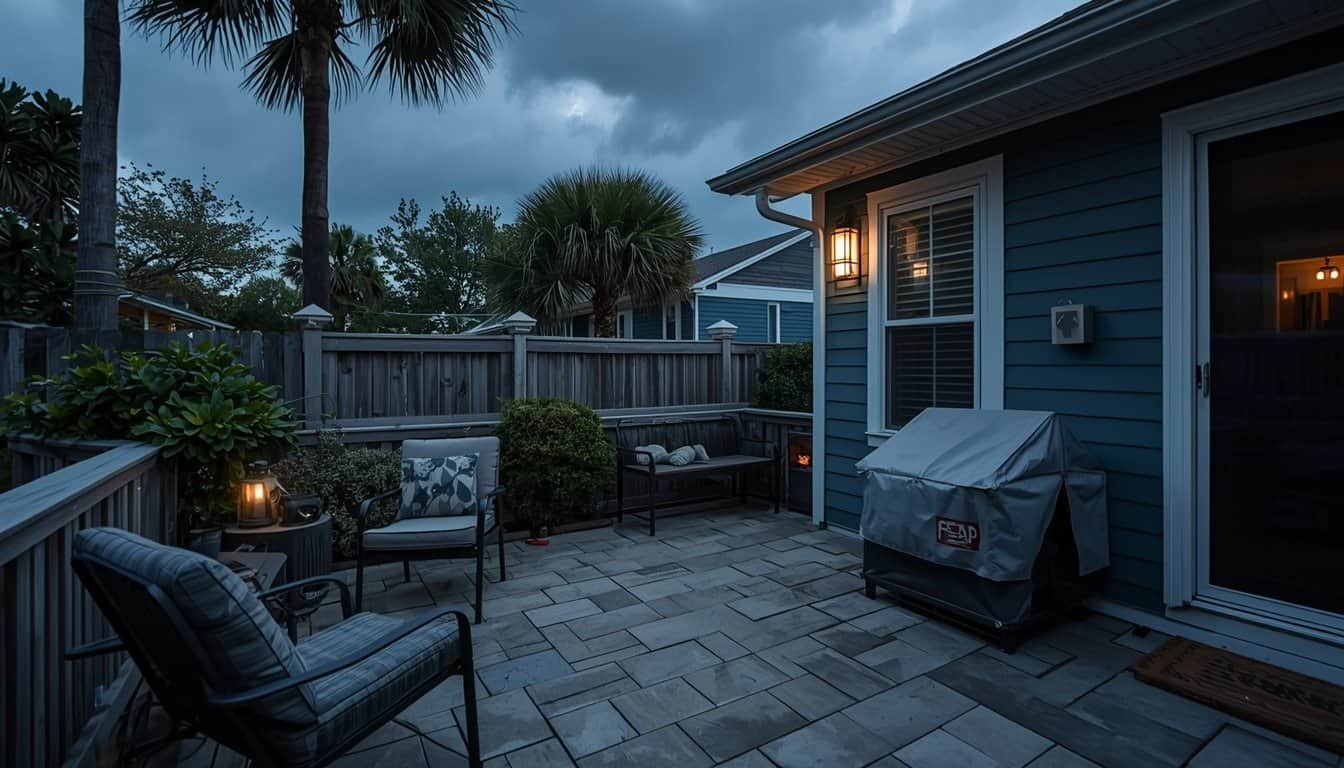
Hurricane outages are different from routine power failures because they often combine long restoration timelines, flooding risk, dangerous debris, communication disruptions, and hot, humid conditions that can wear people down quickly. A household that can handle a short storm-related outage may still struggle if a hurricane leaves roads blocked, stores closed, and utility repairs delayed for several days. Good hurricane power outage preparation is less about panic buying and more about getting your home, supplies, and safety decisions in order before the weather turns serious.
The goal is to reduce avoidable stress before the storm, stay safe while conditions are dangerous, and restart normal household routines carefully after the storm passes. That means thinking in phases: what you do before landfall, what you do while the storm is active, and what you do in the hours and days after the worst weather moves through.
A hurricane power outage is rarely just an electricity problem. It may also involve unsafe travel, floodwater, heat, spoiled food, fuel shortages, and delayed restoration. Planning works best when you prepare for a disrupted household routine, not just for the lights going out.
Why hurricane-related outages are harder on households
In many parts of the country, people think of outages as brief interruptions caused by a passing thunderstorm. Hurricanes can be very different. Utilities may need to inspect damaged lines, clear fallen trees, replace poles, and restore service in stages, which means some neighborhoods come back quickly while others wait much longer.
That longer timeline changes what matters inside the home. Refrigerated food becomes a short-term issue, device charging becomes an ongoing issue, and indoor comfort can become a health issue if temperatures stay high. Homes with sump pumps, medical needs, well pumps, refrigerated medication, or limited mobility need even more deliberate preparation before the storm arrives.
Hurricanes also create layered decision-making. You may be dealing with a power outage at the same time you are evaluating heavy rain, water intrusion, road closures, and whether it is safe to go outside at all. That is why hurricane planning should be broader than a basic outage checklist and should start earlier than most people think.
What to do before the storm arrives
The most useful preparation happens while the weather is still calm enough to think clearly and move safely. Start by reviewing the essentials your household would need for at least several days without reliable power, refrigeration, internet, or easy store access. A practical way to organize that process is to work through an power outage emergency preparedness checklist so nothing important gets overlooked in the rush before landfall.
At a minimum, confirm lighting, charging, water, medications, shelf-stable food, first-aid supplies, and basic cooling plans. If your household has young children, older adults, or anyone with medical needs, preparation should include backup charging, transportation flexibility, and a simple communication plan that does not rely on one phone or one outlet. Write down important phone numbers and addresses in case device batteries become limited or service gets unreliable.
Food and water planning deserves more attention than many people give it. Even if you expect to stay home, normal shopping may be disrupted before and after the storm. A realistic 7-day power outage plan helps households think through water, ready-to-eat meals, sanitation needs, temperature-sensitive items, and what daily life would actually look like if normal routines were interrupted longer than expected.
Prepare your home and yard for a disrupted power period
Preparation is not only about supplies. It is also about reducing preventable hazards around the property. Bring in or secure loose outdoor items, charge devices and battery backups, set refrigerators and freezers colder if appropriate before the outage, and make sure flashlights are where people can reach them in the dark without searching.
If you use backup power equipment, review it before the weather worsens. That means confirming fuel, extension cords, transfer equipment, placement plans, and operating boundaries while you still have daylight and clear thinking. Do not wait until high winds and rain are already arriving to figure out where equipment will go or whether cords, detectors, and supplies are ready.
It is also wise to decide in advance what parts of your home matter most during an outage. For some families that may be refrigeration and phone charging. For others it may be a bedroom air conditioner, a medical device, or one safe, well-lit room where everyone can gather. Hurricane preparation becomes more manageable when you define priorities before stress levels rise.
What to do during the hurricane and active outage
Once conditions become dangerous, the priority shifts from preparation to risk reduction. Stay inside, follow local emergency instructions, and avoid unnecessary movement around the property. Going outside to adjust equipment, move debris, or troubleshoot power problems during severe wind and rain can create a much bigger hazard than the outage itself.
If you are using backup power, safety discipline matters more during hurricanes because people are often tempted to improvise. Generators should never be moved into garages, under open windows, or into semi-enclosed areas just because the weather is bad. If your household may rely on one for an extended event, review safe operating limits in advance with this guide to generator operation safety during multi-day power outages, especially around fuel handling, ventilation, rest periods, and load management.
Inside the house, conserve battery life and keep the routine simple. Minimize repeated refrigerator openings, charge devices in planned intervals instead of constantly, and use one or two rooms strategically rather than spreading your resources throughout the house. During long, hot outages, comfort choices become safety choices, so pay attention to hydration, indoor heat buildup, and signs that someone in the home is becoming overheated, weak, or confused.
Do not let bad weather pressure you into unsafe generator placement or last-minute electrical improvisation. Rain, wind, and darkness make judgment worse, not better. If your setup cannot be used safely outdoors and away from openings, do not use it until conditions and placement are safe.
Know when the outage is becoming more than an inconvenience
A hurricane outage can move from inconvenient to dangerous faster than people expect. Water intrusion, indoor heat, limited communications, and fuel scarcity can all change your situation even if the house still feels manageable at first. Reassess regularly instead of assuming your original plan still fits the conditions.
Pay close attention to anyone whose health, mobility, medication, or age makes them less able to tolerate heat, disrupted routines, or delayed help. Also pay attention to worsening home conditions such as rising water near doors, persistent leaks near electrical areas, or signs that indoor temperatures are no longer tolerable. Hurricane planning is strongest when it leaves room to change course if conditions deteriorate.
What to do after the storm passes but the power is still out
One of the most common mistakes happens after the wind calms down. People assume the danger has ended and immediately shift into cleanup mode. In reality, the period right after a hurricane may still include downed lines, hidden water damage, unstable branches, slick debris, and electrical risks that are not obvious at first glance.
Walk the property cautiously and only if local conditions allow it. Do not approach downed wires, damaged service equipment, or flooded areas where electricity may be present. Standing water and electricity are an especially serious combination, which is why households should treat storm flooding and wet electrical components as a stop-and-assess situation rather than a do-it-yourself recovery problem.
If your home has taken on water, delay normal electrical use until you are confident the affected areas are safe. The more direct guidance belongs in your separate post-storm electrical hazard article, but readers who need a fast overview should understand that flood exposure can affect outlets, appliances, extension cords, and wiring in ways that are not safely judged by appearance alone.
Manage food, fuel, and household fatigue realistically
Long outages after hurricanes can create decision fatigue. People start stretching food safety assumptions, overusing risky equipment, or delaying rest because they are trying to keep normal life going. A better approach is to simplify. Use a prioritized routine for meals, charging, lighting, and cooling so you are not making every decision from scratch while already tired.
This is also the stage where family communication matters. Let relatives know your status when service allows, conserve fuel rather than running every appliance you own, and keep a realistic view of what your home can support until utility restoration improves. A stable, lower-demand routine is often safer than trying to recreate normal comfort immediately.
How to handle the first hours after power returns
Power restoration feels like the finish line, but it is still a transition point that deserves caution. Homes coming back online after a hurricane may face surges in demand, damaged appliances, spoiled food questions, and moisture-related electrical concerns. Rushing to turn everything back on at once can add stress to a system that has already been through a difficult event.
Bring your household back online in an orderly way. Check for anything that seems wet, damaged, hot, or unusual before treating the home as fully normal again. Then work through a calm restart process, beginning with the most important needs first. For a broader recovery sequence, use this power outage checklist covering the first 15 minutes, first 4 hours, and first 24 hours after restoration and early recovery.
If anything seems off after the storm, such as unusual smells, damaged electrical components, water-exposed outlets, or circuits that do not behave normally, treat that as a sign to pause and get qualified help. Hurricane recovery is not the time to guess your way through electrical problems simply because the utility power is back.
Good hurricane outage preparation is really about decision quality
The strongest hurricane power outage plans are not built around fear. They are built around reducing rushed decisions. When lighting, food, charging, communication, cooling, and backup-power boundaries are already thought through, households can respond more calmly and more safely before, during, and after the storm.
You do not need a perfect setup to be better prepared than you were last season. You need a realistic plan, supplies that match your actual household, and clear safety lines you will not cross when conditions become stressful. That kind of preparation will serve you far better than last-minute scrambling once watches, warnings, and outages begin.