


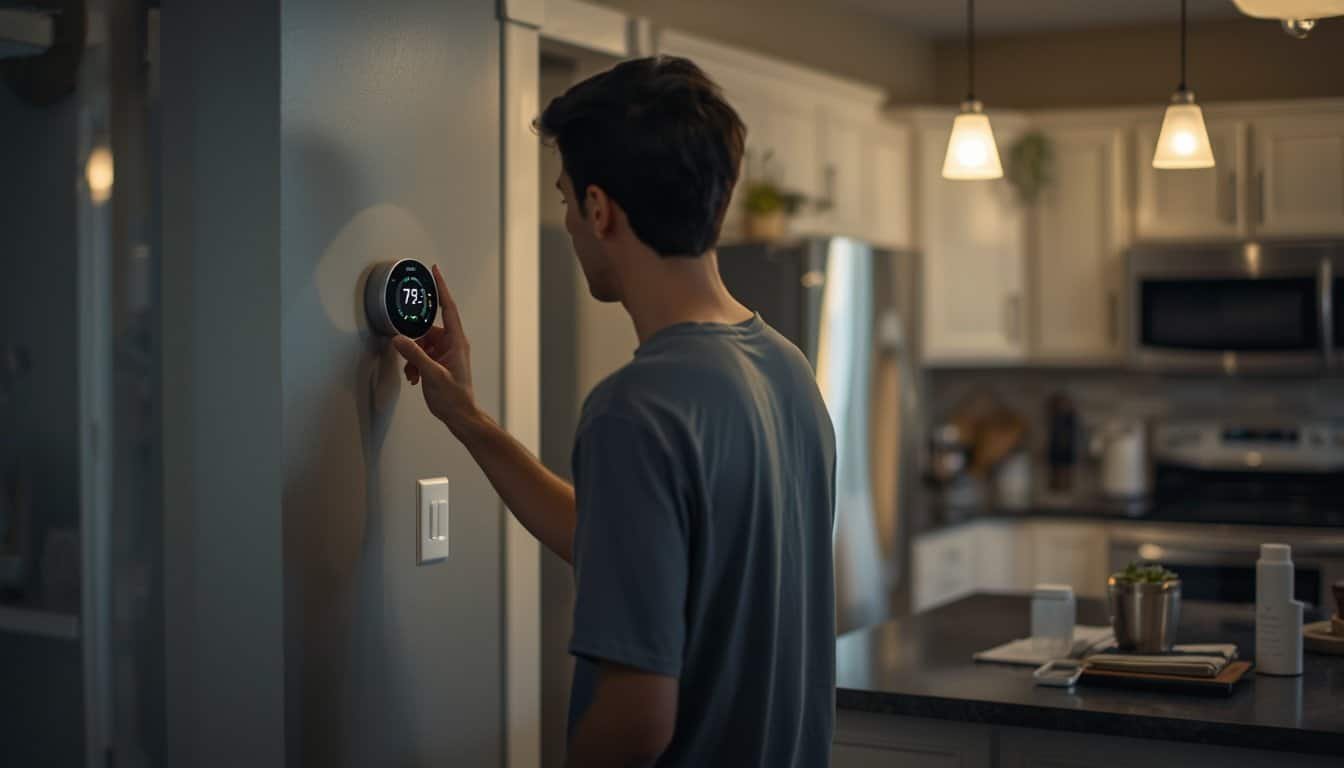
When the power comes back on, most households feel immediate relief. Lights return, appliances beep, the internet may reconnect, and everyone wants to get the home back to normal as quickly as possible. That reaction is understandable, but it is also where people often create avoidable problems by turning everything back on at once, ignoring signs of damage, or assuming the home is ready to operate normally just because service has been restored.
A safe restart after a power outage is less about technical troubleshooting and more about sequence. The goal is to bring the home back online in a calmer order, check for anything that seems unusual, and avoid putting extra stress on equipment or missing warning signs that should not be ignored. In many homes, a few deliberate minutes after restoration can prevent a lot of confusion and reduce the chance of turning a simple recovery into a second problem.
Power restoration is not always the end of the outage event. Appliances may all try to restart together, sensitive electronics may still be vulnerable, and storm-related damage may only become obvious once the house begins operating normally again. A controlled restart helps you notice problems before they spread.
Why households run into trouble right after power returns
Most post-outage problems are not dramatic at first. They happen because people move too quickly. They start every appliance, reopen every system, and treat the home like it is fully normal before they have checked whether anything looks wet, smells unusual, sounds off, or behaves differently than expected. That can make it harder to tell which issue came from the outage itself and which issue came from how the home was restarted.
There is also a practical side to this. After even a moderate outage, the household is usually tired, ready for comfort, and eager to catch up on everything that was interrupted. That mindset makes it easy to overlook small red flags or to load the home up with demands all at once. A safe restart works better when you assume that the first goal is stability, not speed.
This is especially true if the outage involved storms, surges, flooding concerns, or any sign that the home environment may have changed while the power was down. The more disruptive the outage event was, the more important it becomes to restart the home in a simple, watchful sequence instead of rushing through recovery.
Start with a quick scan before treating the house as normal
Before you begin turning things back on or resuming normal routines, take a few minutes to look and listen. You are not performing a technical inspection. You are checking for obvious reasons to slow down. That might include unusual smells, signs of water exposure, damaged cords, tripped equipment, outlets or appliances that appear affected, or anything that seems hotter, noisier, or less stable than it should be.
If the outage followed storms or flooding, this matters even more. Homes that have had water exposure should not move straight into normal electrical use just because utility power is back. If flooding or damp conditions were part of the event, homeowners should step back and review water damage and electricity after a storm before assuming affected areas are ready for ordinary use again.
This first scan is also a good moment to gather the household mentally. Instead of everyone restarting separate parts of the home on their own, decide what will be checked first and what can wait. A calm restart is easier when one person is not powering up kitchen appliances while another is testing electronics and another is adjusting HVAC without any shared sequence.
Bring the house back online in a simple order
The safest restart approach is usually gradual. Start with the essentials that help confirm the home is stable, then move into comfort and convenience once you are confident nothing seems off. Lighting, basic refrigeration awareness, and simple communication tools often come first. After that, move toward larger systems and then to less important electronics and convenience items.
What matters is not the exact same order in every home. What matters is resisting the urge to make everything “normal” at once. If you restart the house in stages, it becomes much easier to notice whether one area or device seems problematic. If everything comes on simultaneously, it is harder to spot the source of unusual sounds, smells, or performance changes.
This also connects naturally to your broader outage routine. If the household used a structured power outage checklist for the first 15 minutes, first 4 hours, and first 24 hours during the outage, the restart phase becomes the final calm stage of that same process rather than a sudden rush back into ordinary life.
Restart appliances with patience instead of urgency
Appliances often draw attention first because people want refrigeration, cooking, laundry, and general convenience back right away. That is reasonable, but a better mindset is to restore function in order of importance. If something does not sound right, starts behaving oddly, or seems inconsistent after power returns, that is a reason to pause rather than to push through because the outage has already been inconvenient enough.
Homes also benefit from not stacking too many appliance demands into the same moment if it can be avoided. The point is not to baby every appliance forever. It is to let the home settle and to give yourself enough awareness to notice when one device or one part of the house seems out of step with the rest.
Pay special attention to HVAC and temperature-related systems
Heating and cooling systems are among the first things people want back after an outage, especially during very hot or very cold weather. That makes sense, but HVAC deserves a little extra patience because the household often depends on it heavily and notices problems there quickly. After power returns, confirm that the system is behaving normally rather than assuming comfort will simply resume without issues.
If the home became very hot during the outage, there can be a strong temptation to lower the thermostat aggressively and expect instant relief. A steadier approach is usually better. Let the system resume normal operation and pay attention to whether air movement, temperature response, or general performance seems ordinary. If the home has been through a storm-related event, unusual smells, sounds, or inconsistent operation deserve more caution, not less.
This matters even more when the outage occurred during extreme summer conditions. Households that were already managing indoor heat may want to keep the broader context in mind by pairing this restart sequence with 7-day power outage planning or their heat-related outage strategy rather than assuming that restored power instantly removes all household risk or fatigue.
If anything smells burned, looks water-exposed, seems unusually hot, or behaves erratically after power returns, stop and reassess before continuing. Restoration is not a reason to ignore warning signs. It is a reason to notice them before the household loads the system further.
Electronics should come back more selectively than people expect
Electronics often return to use almost automatically after an outage because people want internet, chargers, entertainment devices, and work equipment back right away. But not every device needs to be powered up immediately. A more selective restart gives the household a better chance to confirm that the environment feels stable and that the most important systems are functioning normally first.
This is especially useful after storms or outages that involved flickering, repeated restoration attempts, or any sign that power quality was inconsistent. The calmer the reintroduction of electronics is, the easier it becomes to tell whether something is genuinely wrong or whether the home is simply resettling after the interruption.
That same selective mindset applies to backup gear and accessories. Once normal power is back, chargers, battery banks, and temporary outage equipment should be returned to an orderly state rather than abandoned wherever they were used last. A clean reset now makes the next outage much easier to handle.
Use the first normal-looking hour to reset the home for the next outage
One of the best times to improve outage readiness is right after recovery, while the experience is still fresh. The household now knows what was easy, what was frustrating, and what ran short sooner than expected. That makes the restart period a good time to put supplies back together, recharge what was used, and make notes about what should change before the next outage.
This is also when storm-related households should think honestly about whether any part of the event involved water, dampness, or lower-level exposure that needs more caution. If the outage happened during heavy rain or flooding conditions, connect this restart process back to your broader pre-flood thinking with flood preparedness for homes so the next event does not catch important equipment in a more vulnerable state.
The goal is not to turn recovery into another large project. It is to close the outage out properly. A home that restarts carefully and resets supplies promptly is better prepared both for the next 24 hours and for the next outage event whenever it comes.
A safe restart is calmer, slower, and usually smarter
When the power comes back, speed feels satisfying. But calm order is usually safer. A simple scan, a staged restart, and a little patience with appliances, HVAC, and electronics can help you notice problems earlier and avoid loading the home too quickly before you know everything is acting normally.
You do not need a technical background to restart a home more safely after an outage. You need a better sequence, a little restraint, and the willingness to pause if something seems wrong. That small shift in mindset often makes the difference between a smooth recovery and an avoidable second problem.