


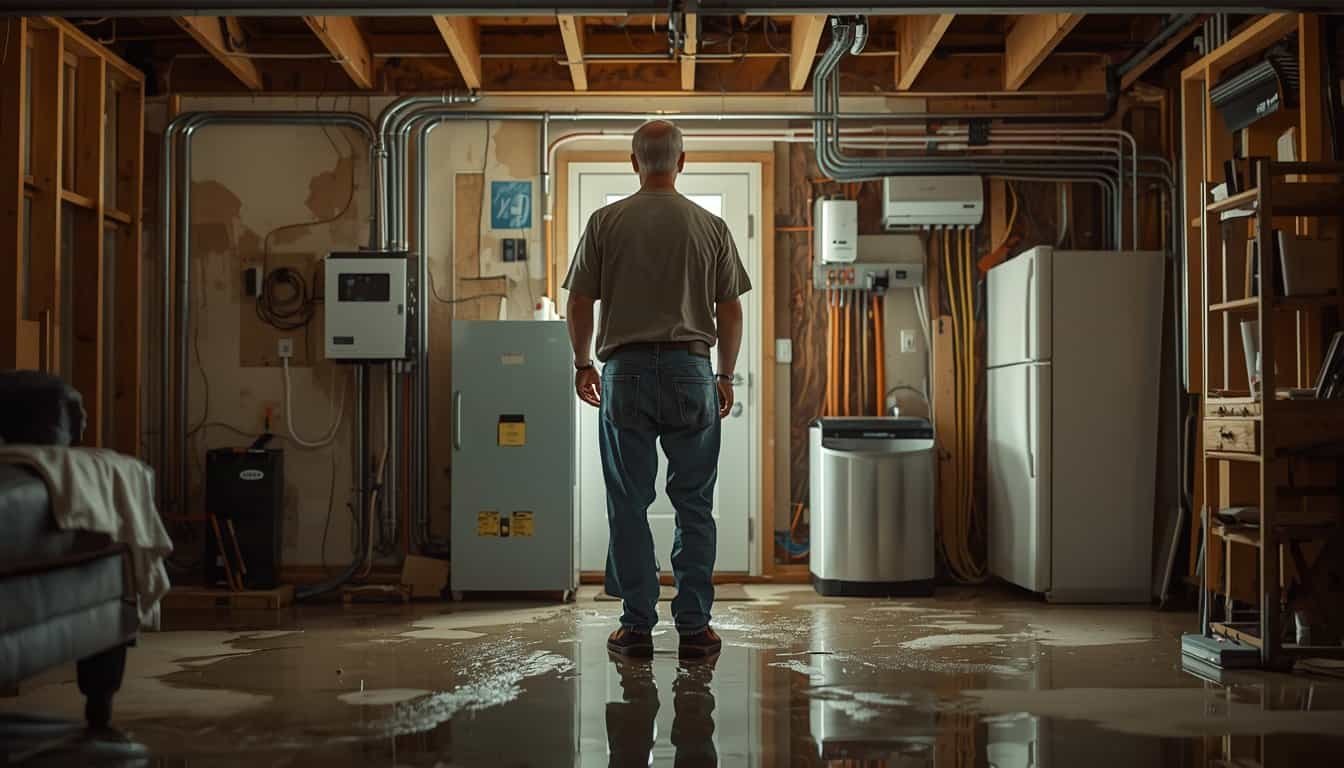
Water and household electricity are a dangerous combination even when the damage looks minor. After a storm, homeowners sometimes see a damp floor, a wet garage, a basement that took on a little water, or appliances that seem mostly fine and assume the safest next step is to dry things out and move on. The problem is that electrical risk is not always visible from the surface. Outlets, cords, appliances, and connected systems can be affected in ways that are not obvious from a quick glance.
That is why water damage and electricity after a storm should be treated as a stop-and-assess situation rather than a normal cleanup task. The goal is not to restore convenience as quickly as possible. The goal is to avoid turning a storm-damage problem into an electrical injury, hidden equipment failure, or preventable fire risk. A calmer, more conservative approach protects the household far better than rushing to get everything back to normal.
Electrical damage after water exposure is not always obvious. An outlet, appliance, or utility area may still look usable while the real hazard is hidden behind covers, inside components, or in places the homeowner cannot safely verify. Treating wet electrical areas as routine too early is where many avoidable mistakes begin.
Why storm water changes the risk around electricity so quickly
Storm-related water exposure can affect much more than what is visibly soaked. Water may reach outlets, extension cords, appliances, utility equipment, chargers, or lower wall areas. Even if the water later recedes, that does not automatically return the area to normal. Electrical systems and connected equipment can remain unsafe after the visible standing water is gone.
This is one reason homeowners get into trouble after storms. They judge the risk by what the room looks like now instead of by what the room was exposed to earlier. A damp-looking floor, a wet appliance base, or a lower-level outlet near storm water should not be treated casually just because the room is no longer actively flooding. The safer assumption is that water exposure may have changed the condition of the equipment or area until proven otherwise by qualified assessment.
This is especially true in basements, garages, utility rooms, crawl-adjacent areas, and any part of the home where electrical equipment sits low. These are often the same spaces people want to clean up and reuse quickly after a storm, which makes patience even more important.
What homeowners should do first after noticing water near electrical areas
The first priority is to slow down. Do not start touching outlets, moving plugged-in equipment, or trying to “test” whether something still works. The safest first step is to recognize the affected area as potentially unsafe and keep people out of it until the situation is clearer. Curiosity is not a safe troubleshooting method when water and electricity may have mixed.
Next, think in terms of exposure, not just visible damage. Ask what the water may have reached, which parts of the room were wet, and what electrical items were in or near that area. That includes extension cords, power strips, appliances, chargers, utility equipment, and any lower wall outlets. A storm event that involved water intrusion should also be connected back to your pre-storm thinking on flood preparedness for homes, because the areas that were most vulnerable beforehand are often the ones that need the most caution afterward.
It also helps to keep the rest of the household from complicating the situation. Make it clear which spaces are off-limits, and do not let people resume ordinary use of affected rooms simply because the power happens to be on elsewhere in the home.
Do not let cleanup urgency override safety judgment
After a storm, people often feel pressure to clean, dry, sort, and reclaim space quickly. That pressure is understandable, especially if the outage was stressful or the home feels disrupted. But cleanup urgency can push people into risky decisions, especially in utility areas where cords, appliances, and outlets are easy to underestimate.
A better approach is to separate general cleanup from electrical safety. You may be able to address some parts of the room eventually, but that does not mean the electrical side of the space is ready for routine use just because mopping, drying, or organizing has started.
Why “it seems fine” is not a good test after water exposure
One of the biggest mistakes homeowners make is relying on a quick functional test. An appliance that powers on, a light that works, or an outlet that seems normal does not necessarily mean the area is safe to use without concern. Water exposure can create delayed problems, inconsistent behavior, or internal issues that are not obvious from a simple on-off check.
This matters because the urge to test things is strong. People want to know what still works. But after a storm, the safer question is not “Can I get it to turn on?” It is “Was this area or item exposed in a way that makes continued use a bad idea until it is properly assessed?” That mindset protects the home from the false confidence that comes from one brief, reassuring result.
The same logic applies to restarts after the power returns. If storm water was involved, homeowners should not move straight into ordinary restart behavior. Instead, pair this article with the broader safe restart checklist after a power outage and apply extra caution to any part of the home that may have been wet, damp, or water-exposed.
If storm water reached outlets, power strips, extension cords, appliance connections, utility equipment, or lower wall areas, do not treat that as a normal homeowner reset problem. Stop using the affected area and get qualified help before assuming it is safe.
How this affects appliances, utility areas, and lower-level rooms
Storm water exposure often causes the most confusion in rooms that already feel semi-utility in nature. Basements, garages, laundry areas, and storage spaces are full of items people depend on but do not think about as part of the home’s electrical safety system. That includes laundry appliances, dehumidifiers, refrigerators, sump-related equipment, chargers, and any plug-in item stored low to the ground.
Because these rooms are less finished or less frequently occupied, homeowners sometimes underestimate the risk there. But lower-level rooms are exactly where water exposure and electrical vulnerability often overlap. The safest approach is to assume that any affected utility area deserves more caution, not less, because of how much hidden electrical interaction may be present in a seemingly simple space.
This is also where the timing of the outage matters. If utility power has already returned, there may be extra temptation to resume normal use immediately. A better approach is to treat restoration and room reuse as separate decisions. The neighborhood power being back does not automatically mean your water-exposed room is ready for normal service.
What to watch for in the rest of the home after a storm event
Even if the water exposure was limited to one part of the house, the rest of the home still deserves a calmer restart. If the storm involved outages, repeated flickering, or broader system stress, households should return to normal in stages instead of throwing every appliance, system, and convenience item back into use all at once. That makes it easier to spot anything unusual and keeps the recovery period more controlled.
A good general reference point here is your broader power outage checklist for the first 15 minutes, first 4 hours, and first 24 hours. That article helps households think in terms of stages rather than impulse, which is especially useful after a storm when people are tired and tempted to rush. The same discipline that helps during the outage also helps after the outage if part of the home has taken on water.
In homes using backup power, it is also worth keeping the rest of the setup disciplined while the storm-damaged areas remain under question. Good generator placement, for example, still matters during the recovery period, which is why homes relying on temporary backup should continue following safe guidance for generators near windows and doors rather than letting fatigue lead to sloppy setup changes after the storm has passed.
The safest post-storm mindset is slower, smaller, and more conservative
Homeowners often want certainty immediately after a storm. They want to know what is damaged, what still works, and how quickly they can get the house back to normal. That is understandable, but electrical safety after water exposure rewards caution more than speed. A slower restart, a smaller usable footprint, and a willingness to leave questionable areas alone usually produce better outcomes than fast reassurance-seeking.
This is particularly true when the exposure involved lower outlets, plugged-in equipment, or any part of the electrical environment that the homeowner cannot safely inspect from the outside. In those situations, the smartest action is often not a clever homeowner workaround. It is restraint.
Water-exposed electrical areas should earn their way back into use
After a storm, the safest assumption is not that a room is fine until proven damaged. It is that a water-exposed electrical area should be treated carefully until it is clearly safe to resume normal use. That single mindset shift helps homeowners avoid a lot of common mistakes.
You do not need to become an electrical expert to respond well after storm water exposure. You need to recognize the risk, stop treating the area like a normal cleanup zone, and avoid rushing back into everyday use just because the storm has passed. That kind of caution protects people, appliances, and the home far better than trying to force a quick return to normal.