


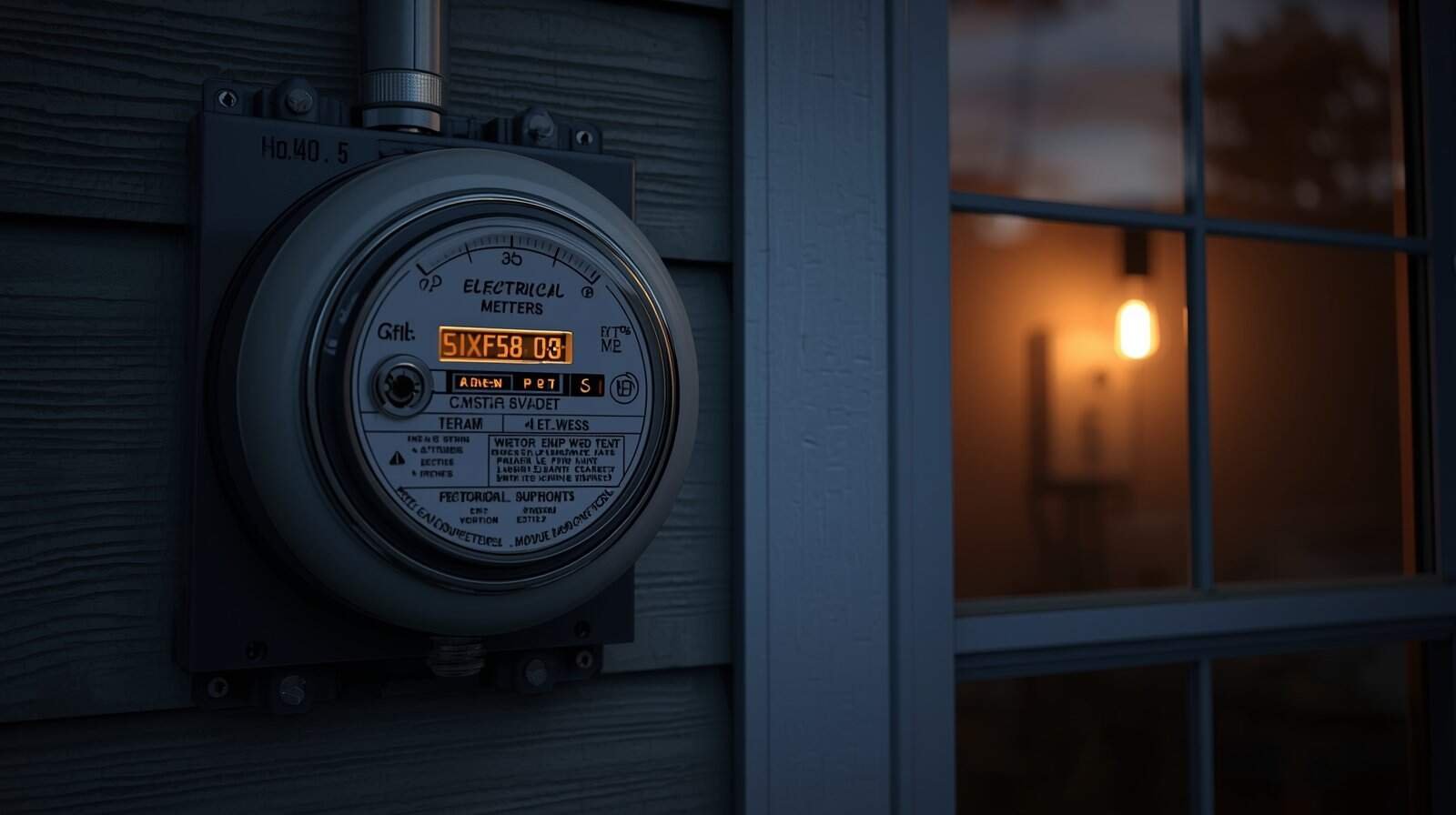
A loose neutral wire is one of the most dangerous — and often misunderstood — electrical problems in a home. Unlike a tripped breaker or dead outlet, a loose neutral can cause voltage to fluctuate unpredictably, sometimes sending too much power to certain appliances while starving others.
This guide explains how neutral wires function, what symptoms suggest a loose connection, and why voltage imbalance can escalate into serious fire or equipment damage risk.
What the Neutral Wire Does in a Home Electrical System
Most homes in the United States use split-phase 240-volt service. That service is divided into two 120-volt “hot” legs that share a neutral return path.
The neutral wire stabilizes voltage between those two legs. When the neutral connection is solid, each leg receives balanced voltage.
When the neutral becomes loose or compromised, that balance breaks down.
Why Voltage Becomes Unstable With a Loose Neutral
Without a stable neutral, the two hot legs begin to “compete.” One side of the system may receive higher-than-normal voltage while the other receives lower-than-normal voltage.
This imbalance can cause lights to brighten dramatically in one room while dimming in another. Motors may strain. Electronics may shut off unexpectedly.
Common Symptoms of a Loose Neutral Wire
Lights That Brighten or Dim Without Warning
Sudden brightness shifts — especially when large appliances turn on — are one of the clearest indicators of voltage imbalance.
Appliances Behaving Erratically
Electronics may reboot, motors may hum abnormally, or devices may fail prematurely due to inconsistent voltage delivery.
Outlets Showing Power but Operating Unreliably
Some outlets may test “live” but fail to power devices consistently. For related unstable-voltage patterns, see Outlet Shows Power but Voltage Is Unstable After an Outage.
Partial or Uneven Power in the Home
Loose neutral conditions sometimes present as half the home functioning normally while the other half behaves unpredictably. That pattern is explained in Half the House Has Power.
How Loose Neutral Connections Develop
Neutral connections can loosen over time due to thermal expansion, vibration, corrosion, aging panels, or improper torque at installation.
Loose neutrals are a severe form of the broader hazard discussed in Loose Electrical Connections in the Home.
Why Loose Neutrals Are Especially Dangerous
Voltage imbalance can send excessive voltage (sometimes well above 120 volts) to appliances on one leg while starving devices on the other. This condition can:
- Damage electronics and motors
- Overheat wiring and connection points
- Increase arc and fire risk
- Create unpredictable equipment failure
Because breakers may not trip, the condition can persist longer than a typical overload.
When This Becomes an Emergency
Seek immediate professional evaluation if:
- Lights flare unusually bright
- Multiple circuits behave inconsistently at once
- Electronics fail repeatedly
- Burning smells or panel buzzing are present
If these symptoms appear after an outage or restoration event, the Partial Power Safety Flowchart can help connect symptoms to safe next steps.
Conclusion
Loose neutral wire symptoms often appear as strange, inconsistent electrical behavior rather than a complete power failure. That unpredictability makes them especially dangerous.
Voltage imbalance can damage equipment long before breakers react. Recognizing the warning signs early and involving a qualified electrician helps prevent escalation into fire risk or major appliance loss.