


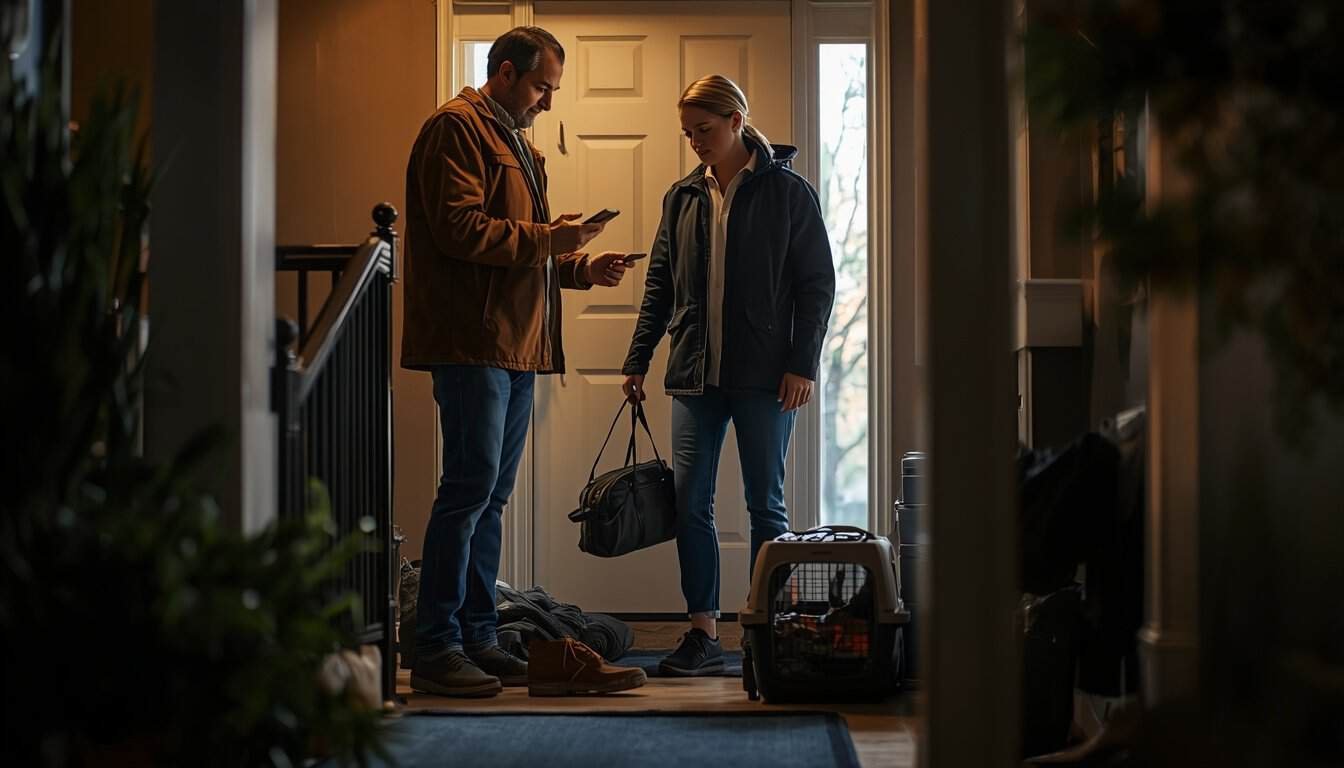
Leaving home during a power outage can feel like an overreaction until the house is too hot, the basement is unsafe, medical backup power is running low, or phones are almost dead. The safer approach is to decide on clear triggers before the outage becomes stressful, dark, hot, or hard to manage.
You should consider leaving home during a power outage when heat or cold becomes unsafe, medically necessary equipment cannot be supported, flooding creates electrical hazards, drinking water or toilets are no longer reliable, generator use cannot be done safely, or communication is failing. The goal is not to abandon the home quickly, but to leave early enough that relocation is still safe and controlled.
Start With a Simple Question: Is the Home Still Livable?
A power outage does not automatically mean you need to leave. Many short outages can be handled safely at home with flashlights, charged phones, closed refrigerator doors, stored water, and a basic plan. The decision changes when the home stops supporting the people inside it.
Livability means more than comfort. The home should still be safe enough to breathe, move around, sleep, communicate, use the bathroom, store essential medications, protect medical devices, and maintain a reasonable indoor temperature. If those basics are failing, the outage has shifted from inconvenience to safety problem.
Use a written plan instead of debating from memory. Your 7-Day Power Outage Plan should include where you would go, who would drive, what supplies leave with you, and what conditions mean staying home is no longer the best choice.
Leave Early During Dangerous Heat
Heat is one of the clearest reasons to leave during a power outage. A home can keep getting hotter after the air conditioning stops, especially in upstairs rooms, apartments, mobile homes, poorly shaded houses, and homes with limited ventilation. Fans and shade may help for a while, but they do not replace air conditioning during dangerous heat.
Consider leaving if indoor temperatures keep rising, the home stays hot overnight, people cannot sleep, someone becomes dizzy or weak, or a high-risk person cannot cool down. Older adults, infants, young children, people with chronic medical conditions, people taking certain medications, and anyone with limited mobility may need to leave sooner than a healthy adult.
If heat is the main concern, use Heat Wave + Power Outage Planning to identify cooling centers, relatives with power, public air-conditioned locations, transportation options, hydration needs, and pet safety before the next heat event.
Do Not Wait When Medical Equipment Is at Risk
Medical needs can make a power outage more urgent. Oxygen equipment, CPAP or BiPAP machines, suction devices, ventilators, medication refrigeration, powered mobility equipment, medical-alert devices, and communication aids may all depend on electricity, batteries, or reliable charging.
Leave or seek help early if backup batteries are running low, equipment alarms or behaves unexpectedly, medication storage is uncertain, the caregiver cannot stay, or the person would not be able to call for help if conditions worsen. The trigger should be based on how much backup time remains, not on whether the device has already stopped.
Medical-device planning should be written down before storms. Review Backup Power for Medical Devices at Home and decide in advance when the plan shifts from home backup to relocation, provider contact, or emergency support.
Leave If Flooding Creates Electrical Risk
Basement water, storm flooding, and electrical hazards are another clear relocation trigger. If water is near outlets, cords, appliances, the electrical panel, sump pump wiring, furnace, water heater, or plugged-in equipment, do not enter the water or try to troubleshoot in the dark.
Flooding becomes more serious when the sump pump has failed, the generator cannot be used safely, water is rising quickly, or the electrical panel is in the affected area. Even shallow water can hide shock hazards, contaminated water, slippery surfaces, and debris.
If basement flooding is active, use What to Do If Your Basement Starts Flooding During a Power Outage for immediate safety steps. If the home cannot be made safe without entering water near electricity, leaving and calling for help is the safer decision.
Leave If Water or Sanitation Fails
A home may become difficult to stay in when there is no safe drinking water, toilets cannot be used, sewage is backing up, a private well is not working, or a boil-water or do-not-use advisory makes normal routines unsafe. This is especially true during heat waves, illness, infant care, caregiving, or medical needs that require clean water.
Stored water may buy time, but it does not solve every sanitation problem. If the household is rationing drinking water, cannot flush safely, cannot wash hands, or may be using contaminated water, the situation can become unhealthy before it feels dramatic.
Decide before the outage how low your water supply can get before leaving. Waiting until the last bottle is gone makes transportation, pet care, medication, and hygiene decisions harder.
Leave If Generator Use Becomes Unsafe
A generator can keep parts of a home functioning, but unsafe generator use is not a reason to stay. If the generator cannot be placed outdoors and away from windows, doors, garages, vents, porches, and enclosed spaces, it should not be used. Carbon monoxide risk is more serious than losing refrigeration, fans, or lighting.
Also leave or reassess if cords must run through standing water, the generator is overloaded, fuel is running low, breakers keep tripping, cords are hot, the generator is surging, or someone is trying to improvise a connection to the home’s wiring. Backfeeding, indoor generator placement, and wet electrical setups can turn an outage into a life-threatening event.
A safe relocation site may be a better solution than forcing a risky generator setup to work. The goal is not to keep every appliance running; it is to keep people safe.
Leave If Communication Is Failing
Communication failure can turn a manageable outage into isolation. If phones are nearly dead, the medical-alert device cannot charge, internet-based communication is down, weather alerts are not being received, or a person living alone cannot reliably check in, leaving may be safer than waiting.
This matters most for older adults, people with disabilities, people using powered medical equipment, people without transportation, and households in areas with flooding, heat, wildfire smoke, or downed trees. A charged phone may be the only way to get evacuation updates, call 911, reach a caregiver, or learn when roads are unsafe.
Set a communication trigger in advance. For example, if the last working phone drops below a chosen battery level and no backup charging is available, the household relocates or a support person checks in directly.
Leave Sooner If Transportation Could Disappear
Relocation gets harder the longer you wait. Storms can flood roads, block driveways, close bridges, disable elevators, create traffic, reduce visibility, interrupt fuel availability, or make it harder for a family member to reach the home. A person who can leave safely at 2 p.m. may not be able to leave safely at 10 p.m.
This is especially important for households with mobility limits, wheelchair users, oxygen equipment, pets, young children, or people who need accessible transportation. If relocation requires a specific vehicle, caregiver, paratransit service, or medical transport, waiting too long can remove that option.
Think of leaving as a timing decision, not a panic decision. The safer question is not “Can we survive a little longer?” but “Will leaving become harder if we wait?”
Choose the Right Place to Go
The best destination depends on the problem. For heat, a cooling center, air-conditioned public building, hotel, or relative’s home may be enough. For medical equipment, a powered location with caregiver support and device compatibility may be necessary. For flooding, the goal may be simply to get above water risk and away from electrical hazards.
Write down destination options in order: nearby family, trusted neighbors, hotels, community shelters, cooling centers, warming centers, medical facilities, or other local emergency resources. Include addresses, phone numbers, pet rules, accessibility notes, and what supplies must travel with you.
Do not assume every shelter or public location can support every medical, mobility, pet, or accessibility need. Call ahead when possible, follow local emergency guidance, and bring critical supplies if you can do so safely.
Pack for Leaving Before the House Is Uncomfortable
A leave-home kit should be ready before the home is dark, hot, wet, or stressful. Include medications, medical-device accessories, chargers, power banks, glasses, hearing aids, important documents, water, snacks, pet supplies, keys, wallet, phone, clothing, hygiene supplies, and any accessibility or caregiving items needed for the next day.
Keep the kit light enough to move. If you need to carry oxygen supplies, mobility equipment, infant supplies, pet carriers, or refrigerated medications, assign roles ahead of time. The moment you decide to leave is not the best time to discover that everything is in different rooms.
Store go-bag items near the exit during severe weather. That keeps the household from making repeated trips through hot rooms, dark hallways, or wet basement areas.
Prepare a Leave-Home Decision Checklist
A checklist helps remove emotion from the decision. Instead of waiting for everyone to agree that the outage is “bad enough,” the household can use preset triggers: unsafe heat, medical backup time running low, flooding near electrical equipment, no safe water, toilet or sewage failure, unsafe generator conditions, communication failure, or loss of transportation options.
The checklist should include who decides, who drives, who checks on neighbors or relatives, who gathers medications, who handles pets, and who reports the outage if that has not already been done. If the household includes older adults, children, people with disabilities, or medical needs, the triggers should be more conservative.
You can use the Power Outage Preparedness Checklist as a supplemental tool to organize supplies and early actions, then add your own leave-home triggers based on the people and systems in your home.
What Not to Wait For
Do not wait for someone to collapse from heat before leaving. Do not wait for the last medical-device battery to die. Do not wait until floodwater reaches the electrical panel. Do not wait until every phone is dead. Do not wait until the generator has been moved somewhere unsafe. Those are late-stage warning signs, not planning triggers.
Leaving early may feel inconvenient, but it keeps options open. You can choose a better route, bring the right supplies, call ahead, charge devices, manage pets, and avoid moving vulnerable people at the worst moment.
The home can be checked, repaired, dried, cooled, or restocked later. People are harder to protect once the outage has already removed transportation, communication, water, cooling, or medical support.
FAQ
When should I leave home during a power outage?
Leave or seek help when the home is no longer safe or livable because of heat, cold, medical-device limits, flooding, unsafe generator conditions, lack of water or sanitation, communication failure, or loss of transportation options.
Should I leave during a power outage if I have medical equipment?
You should have a provider-informed plan that says how long backup power or backup supplies can last. If medically necessary equipment, medication, or alert systems cannot be supported safely, act early and relocate or seek help before they fail.
Is it better to stay home or go to a cooling center?
If the home remains reasonably cool and everyone is safe, staying may be fine for a short outage. If indoor heat keeps rising, vulnerable people cannot cool down, or the home stays hot overnight, a cooling center or powered location may be safer.
Should I leave if my basement is flooding?
If flooding creates electrical hazards, water is rising, the sump pump has failed, or you cannot safely control the situation, stay out of the water and leave or call for help. Do not enter water near outlets, cords, appliances, or the electrical panel.
Conclusion
Knowing when to leave home during a power outage is one of the most important parts of preparedness. The decision should be based on safety triggers, not pride, inconvenience, or hope that power will return soon.
Leave early when heat, medical needs, flooding, water loss, sanitation failure, unsafe generator use, communication problems, or transportation limits make the home unsafe. A good plan does not force the household to endure worsening conditions; it gives everyone a safer way out while there is still time to use it.