


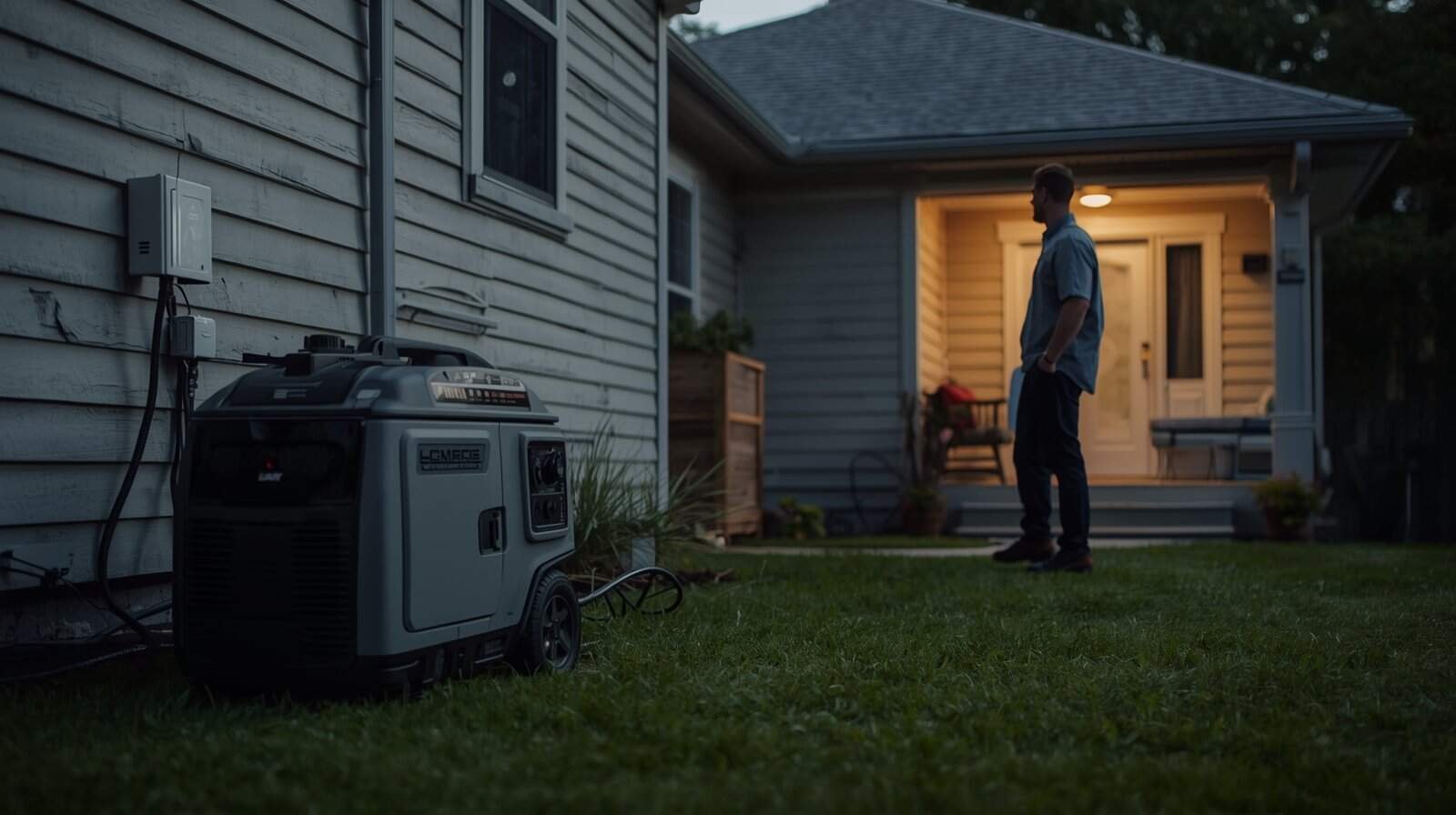
A generator that starts normally but shuts down as soon as appliances are connected is a common and confusing problem. While the engine may run smoothly at idle, applying electrical load exposes weaknesses in fuel delivery, airflow, or capacity that prevent stable operation.
Understanding why a generator won’t stay running under load—and which checks are safe for homeowners—helps prevent damage and restores reliable backup power during outages.
What “Won’t Stay Running Under Load” Means
This issue typically appears when the generator runs without anything plugged in, but stalls, surges, or shuts off once devices are connected. In some cases, the generator may run briefly before dying; in others, it may shut down immediately.
Most Common Causes
Electrical overload
The most frequent cause is exceeding the generator’s rated capacity. Appliances with motors or heating elements draw significant power, especially at startup. If total demand exceeds available output, the engine may stall or protective systems may shut the unit down.
Startup surge demand
Even when running wattage appears acceptable, startup surges from refrigerators, pumps, or air conditioners can overwhelm smaller generators. Proper sizing is essential. See what size generator you need for planning guidance.
Fuel delivery limitations
Under load, engines require more fuel. Clogged carburetors, partially blocked fuel lines, or stale gasoline may allow idle operation but fail when demand increases.
Restricted airflow
Dirty air filters or obstructed intake vents reduce combustion efficiency. The problem may only appear when the engine works harder under load.
Governor response problems
The governor must quickly adjust engine speed as load changes. If response is slow or unstable, the generator may stall instead of compensating.
Why This Problem Can Escalate Quickly
Electrical instability
Repeated stalling under load often produces voltage fluctuations that stress connected devices. These fluctuations may appear as flickering lights or cycling appliances. For related symptoms, see generator surging power.
Increased mechanical stress
Stalling and restarting place additional wear on engine components and can shorten generator lifespan.
Breaker trips and shutdowns
In some cases, protective breakers may trip instead of the engine stalling. If this occurs, review why generator breakers keep tripping.
Safe Troubleshooting Steps for Homeowners
Reduce load to essentials
Disconnect all devices and reconnect only one essential appliance at a time. Avoid running multiple motor-driven devices simultaneously.
Refresh fuel and check filters
Drain old fuel if necessary and refill with fresh gasoline. Inspect air filters and replace them if dirty or oil-soaked.
Stabilize electrical demand
Avoid rapidly cycling loads. Let motors fully start before adding additional devices.
When to Stop Troubleshooting
If the generator continues to stall under even modest load after basic checks, internal engine or electrical components may be failing. Continued operation risks permanent damage and unsafe electrical output.
Preventing Load-Related Shutdowns
Correct generator sizing, routine maintenance, and realistic load planning greatly reduce shutdowns under load. Understanding your generator’s limits before an outage prevents frustration when power is needed most.
Conclusion
A generator that won’t stay running under load is telling you it cannot meet current demands safely. Addressing overload, fuel quality, and airflow issues promptly helps restore dependable backup power and protects your equipment.