


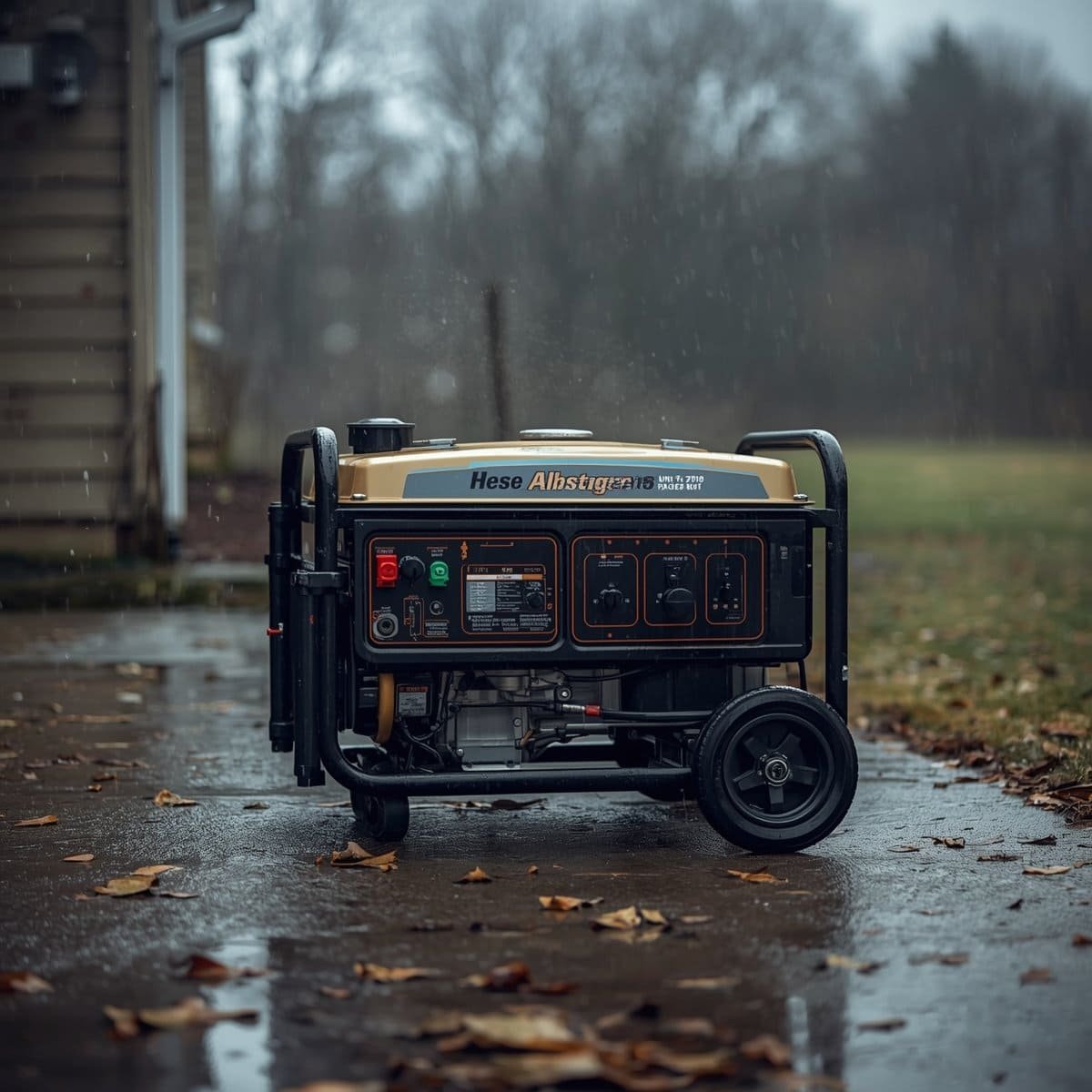
It can be confusing and frustrating when a generator starts and runs normally, yet no usable power reaches your appliances or extension cords—especially during cold or wet weather. In many cases, environmental conditions affect electrical delivery even when the engine itself appears healthy.
Why Cold and Wet Conditions Affect Generator Output
Cold temperatures and moisture introduce stress on multiple generator components. While fuel and engine operation may remain stable, electrical output systems are more sensitive to condensation, insulation stiffness, and internal protection mechanisms.
These issues can interrupt power delivery without causing the generator to shut down.
Built-In Protection Systems That Disable Output
Most modern generators include internal breakers, ground-fault protection, or voltage regulators that interrupt output when unsafe conditions are detected. Moisture intrusion or sudden temperature changes can trigger these safeguards.
If the generator’s breaker has tripped or is cycling repeatedly, review generator breaker keeps tripping for safe diagnostic steps.
Moisture, Condensation, and Electrical Path Interruption
Rain, snow, or heavy condensation can form inside outlets, extension cord connectors, or control panels. Even small amounts of moisture can prevent power from flowing properly without causing visible damage.
Never attempt to dry internal generator components with heat sources or compressed air while the unit is running.
Cold-Weather Effects on Cords and Connections
Extension cords stiffen in cold temperatures, increasing resistance and stressing internal conductors. Damaged or undersized cords may appear connected but fail to deliver power.
For proper cable selection, see extension cord sizing for generators.
When the Generator Is Making Power Internally
In some cases, the generator is producing electricity internally, but it never reaches external outlets due to wiring faults, outlet damage, or internal disconnections.
If the generator runs smoothly yet produces no external power across all outlets, review generator runs but produces no power for deeper mechanical causes.
Protecting Electronics During Unstable Output
Intermittent or unstable output during cold or wet conditions can damage sensitive electronics even if power appears briefly. Avoid connecting electronics until output stability is confirmed.
For risk awareness, see why outages damage electronics.
When to Stop Troubleshooting
If safe checks do not restore power output, continued operation may worsen internal damage. Shut the generator down and allow conditions to improve before restarting.
Professional service may be required if internal electrical components are affected.
Conclusion
Cold and wet conditions can disrupt generator power delivery even when engines run normally. Understanding environmental impacts, built-in protections, and safe stopping points helps homeowners avoid damage and restore reliable backup power safely.