


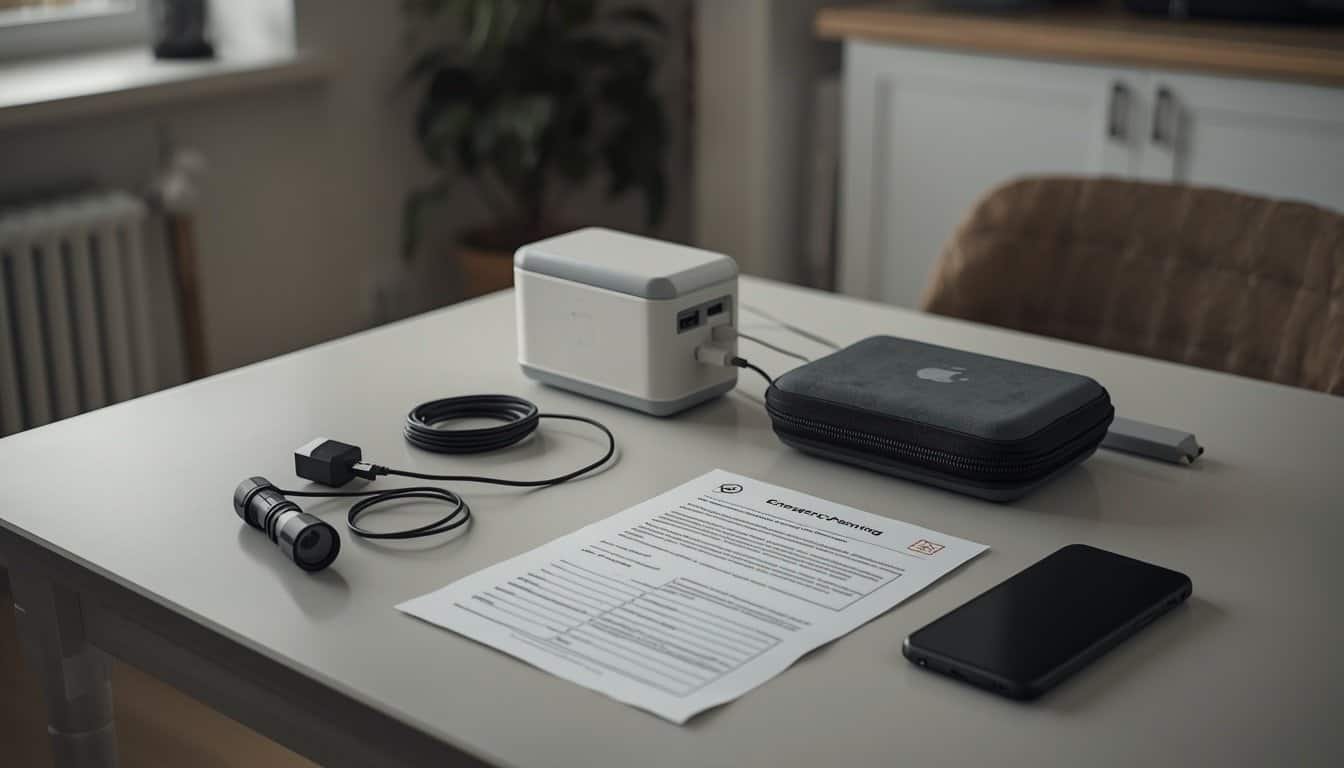
A power outage becomes more serious when someone in the home depends on powered medical equipment. The goal is not only to keep a device running for a few extra minutes, but to build a layered plan that gives the household time, options, and clear decision points if the outage lasts longer than expected.
A safer home medical backup plan starts with four basics: know which devices truly need power, confirm each device’s wattage and battery options, keep at least one short-term backup layer ready, and have a longer-duration plan that may include a generator, relocation, utility contact, or emergency support. This article is for household preparedness only and should not replace instructions from a healthcare provider, equipment supplier, or emergency medical professional.
Start With the Devices That Cannot Wait
The first step is to separate medically necessary powered equipment from ordinary comfort or convenience devices. During an outage, the priority should be the devices that protect breathing, mobility, communication, medication safety, monitoring, or other essential needs. A household may own several rechargeable devices, but not all of them carry the same urgency when the power fails.
Write down each essential device, its power cord type, battery status, charger location, and the person or company to call for support. Include model numbers and supplier contact information where possible. This simple list helps family members, caregivers, neighbors, and responders understand what matters first if the primary caregiver is not available.
This medical-device plan should connect with your broader household readiness plan. If you have not already built one, the 72-Hour Emergency Kit for Power Outages can help you organize basic supplies around water, lighting, communication, and short-term comfort while you build more specialized medical backup layers.
Confirm Power Needs Before Choosing Backup Equipment
Backup power planning works best when it is based on the actual device requirements, not guesswork. Many medical devices list watts, amps, or volts on a label, power brick, manual, or supplier documentation. If that information is unclear, the safest next step is to contact the equipment supplier or manufacturer before buying a battery, inverter, power station, or generator.
Some devices need steady power. Some can operate from an internal battery for a limited period. Others may require a specific adapter, approved battery pack, or power source with the right output style. A household backup battery that works well for phones and lamps may not be appropriate for every medical device, especially if the device has a motor, heater, compressor, humidifier, oxygen-related component, or alarm system.
For rough planning, the Battery Backup Runtime Calculator can help you estimate how long a battery might run a listed load. Treat that estimate as a planning starting point, not a medical safety guarantee. Runtime depends on the device, settings, battery age, inverter losses, temperature, and whether the device has startup or cycling demands.
Build Redundancy in Layers
A reliable home plan should not depend on one backup method. Redundancy means having more than one way to keep essential needs covered if the outage lasts longer than expected, the first battery runs down, or a device behaves differently under backup power.
A practical layered plan might include an internal device battery, a dedicated manufacturer-approved battery pack, a portable power station for short-term use, and a longer-duration option such as a properly placed generator or a planned relocation site with power. The right mix depends on the device, the person’s needs, the outage risk in your area, and what your medical provider or equipment supplier recommends.
Think in time blocks. What keeps the device running for the first 30 minutes? What covers the first 4 hours? What happens overnight? What is the plan if power is still out the next day? Your broader 7-Day Power Outage Plan should include medical-device charging, caregiver availability, transportation options, cooling or heating needs, and communication backups.
Use Generators Carefully Around Medical Needs
A generator can be part of a longer-duration backup plan, but it must be treated as an outdoor power source with serious safety limits. Generator exhaust can create carbon monoxide hazards, and unsafe placement can turn a power solution into a life-threatening situation. Do not move a generator closer to the home, garage, window, porch, or door just because the medical device is important.
Generator planning also requires stable delivery. The device supplier should confirm whether the medical equipment can be powered from a generator and whether surge protection, a transfer setup, or a specific adapter is recommended. Some households may choose to use a generator to recharge batteries rather than power the medical device directly, especially when sensitive equipment is involved.
Keep generator use simple during an outage. Avoid overloading the generator with refrigerators, heaters, microwaves, pumps, and other high-demand devices at the same time as medical equipment. If you need to balance medical devices with refrigeration, phone charging, fans, or sump-pump needs, use a written plan like Generator Load Rotation Plan so essential loads are not all competing at once.
Watch for Unsafe Generator Power Behavior
Medical equipment should not be used as a test load for questionable generator power. If the device alarms, resets, overheats, loses power, behaves unpredictably, or shows an error when connected to backup power, stop and follow the device supplier’s instructions or seek emergency support.
Unstable generator output can come from overload, long or undersized cords, poor fuel delivery, voltage-regulation issues, wet connections, or a generator operating beyond its practical limits. If the generator is producing symptoms such as flickering lights, cycling chargers, repeated UPS alarms, or weak motor loads, review Generator Problems Explained before connecting sensitive medical equipment.
If voltage behavior seems abnormal, the issue may involve regulation rather than just load size. See Generator AVR Problems Explained for a safer explanation of voltage-regulator symptoms and when to shut down instead of continuing to test.
Use the Right Cords, Tools, and Connection Plan
Backup power for medical equipment is not only about the power source. The cord, adapter, connection path, and environment also matter. Long, thin, damaged, indoor-rated, or wet extension cords can create voltage drop, heat, and unreliable device behavior. A device that appears to work near the power source may behave differently at the end of a long cord run.
Keep medical-device cords organized, labeled, and separate from ordinary household extension cords. If the device supplier approves generator or power-station use, ask whether a specific cord length, adapter, surge protector, or battery system is recommended.
For safe-use planning, Generator Troubleshooting Tools can help explain what a watt meter, multimeter, outlet tester, carbon monoxide alarm, and basic inspection tools can and cannot tell you. Tools can support safer decisions, but they should not encourage risky live testing around medical equipment.
Plan for Communication, Alerts, and Escalation
Medical backup power is not only about batteries. It is also about knowing who to contact, how to receive weather and utility alerts, and when to leave the home before the situation becomes urgent. A charged phone, backup charger, printed contact list, and alert plan can matter as much as the battery itself.
Contact your utility company before an emergency to ask whether it offers medical baseline, critical care, life-support, or priority-notification programs. These programs do not guarantee uninterrupted power or immediate restoration, but they may help with outage communication and planning. Local emergency management, 211 services, community health agencies, or the equipment supplier may also be able to explain local options.
Do not wait until the last battery is almost empty before making decisions. If a device is essential and backup power is running low, escalate early. That may mean calling the provider, contacting emergency services, going to a powered location, or following a prearranged relocation plan. Your household alert process should be documented in advance using a guide like Severe Weather Alerts and Family Communication Plans.
Keep Backup Equipment Ready Before Storm Season
Backup equipment only helps if it is charged, accessible, and familiar before the outage begins. Keep batteries charged according to manufacturer instructions, store cords and adapters in one labeled location, and make sure household members know which device gets priority. A battery stored in the wrong closet or missing the correct cable can become useless during a fast-moving storm.
Test the non-emergency parts of the plan before severe weather season. Confirm that the device plugs into the backup source correctly, that the display or alarm behaves normally, and that the household understands the expected runtime. Do not perform risky medical-device testing without provider or supplier guidance, especially for equipment that should not be interrupted.
After the first few minutes of an outage, use a checklist approach rather than memory. The Power Outage Checklist: First 15 Minutes, First 4 Hours, First 24 Hours can help structure early actions while you prioritize medical devices, communication, food safety, lighting, and household safety.
Know When Staying Home Is No Longer the Safest Plan
Backup power can make a short outage more manageable, but it does not make every home safe for every outage. Heat, cold, flooding, wildfire smoke, road closures, caregiver availability, battery limits, and equipment compatibility can all make relocation safer than trying to stay home.
Set relocation triggers before an emergency. Examples may include backup battery dropping below a certain runtime, generator fuel running low, indoor temperature reaching an unsafe range, caregiver support being unavailable, device alarms appearing, or the outage lasting longer than the plan covers.
If a generator becomes unsafe to operate because of carbon monoxide risk, fuel issues, wet cords, unstable power, or repeated trips, do not keep using it because the medical need feels urgent. Review When to Stop Using a Generator and move to the next approved backup layer or emergency plan.
What This Plan Cannot Solve by Itself
A home backup power plan does not replace medical advice, emergency care, or professional equipment support. It also cannot guarantee that a device will operate safely on every battery, power station, inverter, generator, or extension-cord setup. Compatibility matters, and the safest source of device-specific guidance is the manufacturer, supplier, or healthcare team.
Backup power also does not eliminate the need for a relocation plan. Long outages, heat waves, winter storms, flooding, wildfire smoke, and road closures can make staying home unsafe even if a battery is still working. In some situations, the safest backup plan is to leave early for a location with reliable power, climate control, and support.
The strongest plan is honest about limits. Know what your equipment can do, know what it cannot do, and decide in advance what conditions trigger a call for help or a move to a safer location.
FAQ
Can I plug a medical device into a portable power station?
Possibly, but only if the device supplier or manufacturer confirms that the power station is compatible with the device’s requirements. Check wattage, output type, runtime, alarms, and whether the device needs a specific approved battery or adapter.
Should I use a generator for home medical equipment?
A generator may be useful for longer outages, but it must be used outdoors and safely away from the home. Ask the equipment supplier whether the device can be powered by a generator or whether the generator should only be used to recharge backup batteries.
How much battery backup do I need for medical devices?
The answer depends on the device, settings, runtime requirements, and outage risk. Start by identifying the device’s power draw and required operating time, then add extra margin because real-world runtime is often lower than ideal estimates.
What should I do if backup power is running low?
Do not wait until the device stops. Follow the plan you made with your provider or supplier, contact your support network, and relocate or seek emergency help early if the device is medically necessary and power is uncertain.
Can unstable generator power affect medical equipment?
Yes. Some medical devices may alarm, reset, overheat, or behave unpredictably if generator power is unstable, overloaded, or delivered through poor cords. Ask the supplier what power sources are approved and what warning signs require escalation.
Conclusion
Backup power for medical devices should be planned in layers: device information, short-term battery support, longer-duration redundancy, communication, safe generator use, and early escalation. The goal is not to improvise during the outage, but to know what matters first and what decision comes next.
Start by listing the essential devices in the home, confirming their power requirements, and asking the supplier or provider what backup options are appropriate. Then connect that plan to the rest of your outage readiness so medical needs are protected before the next storm, grid failure, or extended outage.